
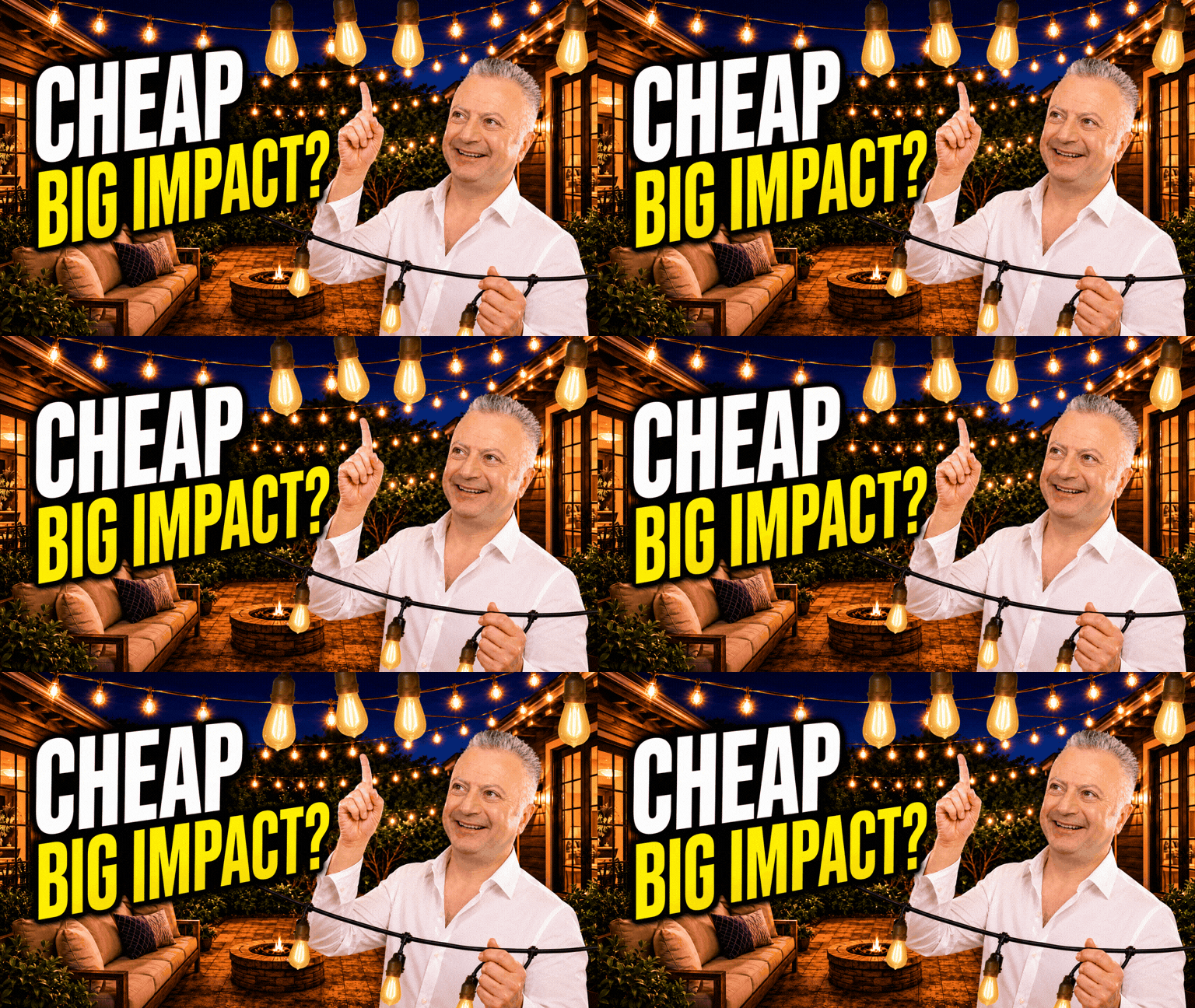
There’s something about bistro lighting that can completely change the way an outdoor space feels after sunset.
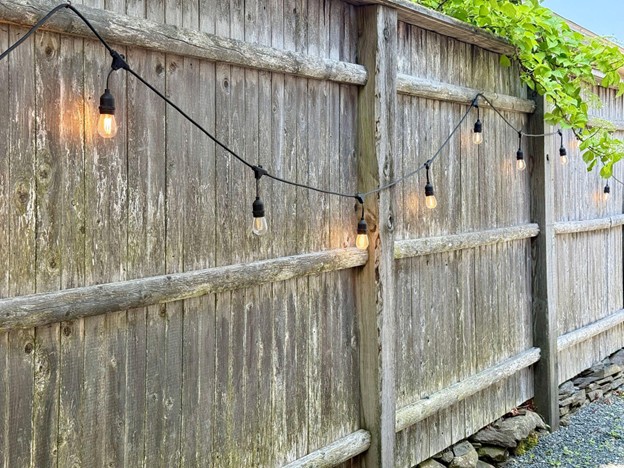
Bistro lighting—outdoor string lighting often associated with cafés, restaurants, patios, and courtyards—can help make a backyard, patio, balcony, or outdoor dining area feel warmer, more inviting, and more usable in the evening. It can create a noticeable visual change without requiring a major outdoor remodel.
For homeowners, however, good bistro lighting is about more than simply hanging a strand of bulbs. Where the lights are placed, how high they are hung, the amount and warmth of the light, the supports used, the outdoor rating of the equipment, the electrical setup, and any HOA or property restrictions can all affect the finished result.
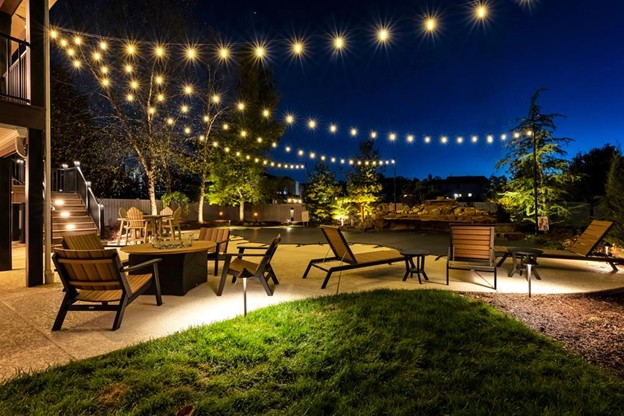
In Irvine, Newport Beach, and surrounding Orange County communities, homes with bistro lighting can be especially appealing because patios, courtyards, balconies, pools, outdoor kitchens, and backyard entertaining areas are often important extensions of the living space.
It should not be viewed as a guarantee of increased home value or a higher sale price. Instead, think of bistro lighting as a relatively simple way to improve atmosphere, evening usability, and the presentation of an outdoor living area when it is thoughtfully planned and appropriately installed.
Written by Tony Babarino, Irvine Real Estate Broker with REAL Broker, serving Irvine, Newport Beach, and surrounding Orange County communities. DRE#01717758.
This article about Bistro Lights at home is also featured in Medium.
Key Takeaways
- Bistro lighting can make a patio, courtyard, balcony, or backyard feel warmer and more inviting after sunset without requiring a major remodel.
- Good results depend on more than the bulbs themselves; placement, height, spacing, supports, light warmth, and the surrounding outdoor space all affect the finished look.
- Use lighting and electrical products that are appropriate for outdoor use, and have electrical work handled by a qualified professional when the installation requires it.
- Homeowners should consider HOA rules, property boundaries, attachment points, nearby neighbors, and other property-specific restrictions before installing permanent or extensive lighting.
- For sellers, thoughtfully presented bistro lighting may help an outdoor area photograph and show well, but it should not be described as guaranteeing additional home value or a higher sale price.
7 Things to Plan Before Installing Bistro Lighting at Home
Before hanging bistro lights over a patio, courtyard, balcony, or backyard, think through these seven details so the finished lighting looks intentional and works appropriately for the space.
- Choose the outdoor area you actually want to use after sunset
- Use lights and electrical products that are specifically rated for outdoor use
- Plan the height, spacing, attachment points, and supports before hanging the lights
- Choose a light color and brightness that create the atmosphere you want without overpowering the space
- Plan an appropriate outdoor power source and use GFCI protection where applicable
- Check HOA rules, property restrictions, attachment limitations, and nearby-neighbor considerations
- Think about timers, weather exposure, maintenance, replacement bulbs, and how the installation will look during the daytime
How to Plan Bistro Lighting for the Space
Each of these planning decisions affects how the bistro lighting looks, functions, and fits the outdoor area, so the sections below walk through them in more detail.
1. Choose the Outdoor Area You Actually Want to Use After Sunset
Start with how you want to use the space, not simply where the lights happen to fit. Bistro lighting often works best when it helps define an area where people naturally gather, eat, relax, or entertain.
Depending on the property, that might include:
- A patio or outdoor dining area
- A courtyard
- A seating or conversation area
- An outdoor kitchen or BBQ area
- A pergola
- A fire-pit seating area
- A portion of the backyard used for entertaining
- A permitted balcony or smaller outdoor sitting area
A large backyard does not necessarily need lighting across the entire property. Concentrating the lights over one purposeful area can make the space feel more intentional and useful after sunset.
For Irvine and Newport Beach homeowners, this can be especially useful where the outdoor area functions almost like another room of the home. The goal is not simply to make the yard brighter. The goal is to create useful evening light where people actually want to spend time.
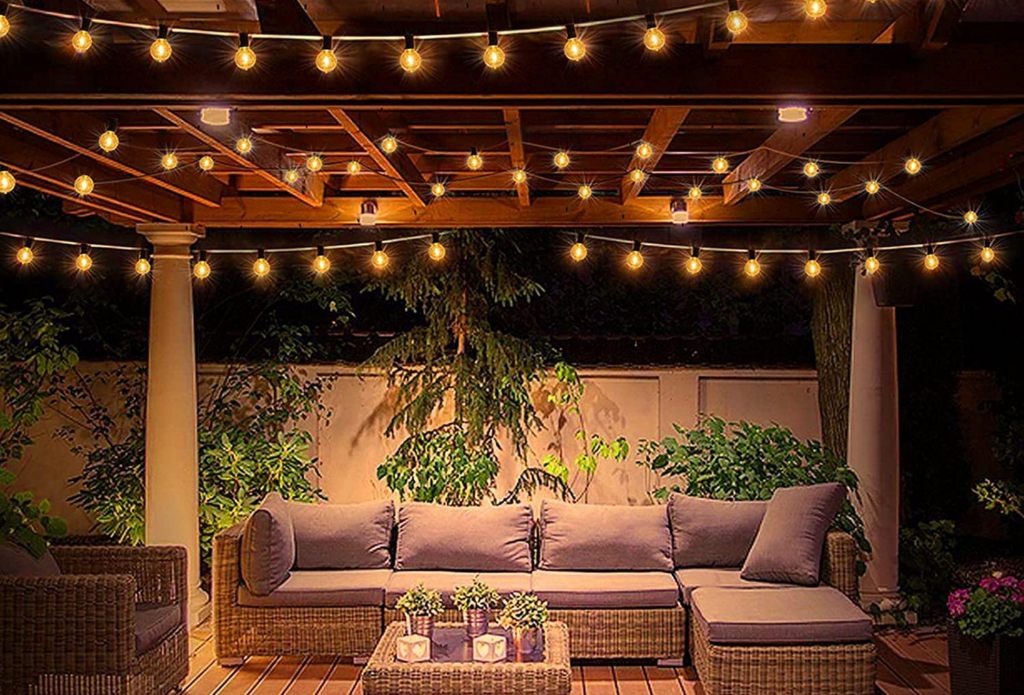
2. Use Lights and Electrical Products That Are Rated for Outdoor Use
Bistro lights used outside should be specifically designed and labeled for outdoor use. The same applies to extension cords and other plug-in electrical products used as part of the setup.
Before installation, check the manufacturer’s instructions and inspect the lights, cords, sockets, and connections for visible damage. Do not use damaged equipment until the appropriate repair or replacement is determined.
If the project requires new wiring, hardwiring, a new receptacle, or other electrical work beyond a simple plug-in installation, homeowners should consider using an appropriately qualified electrical professional.
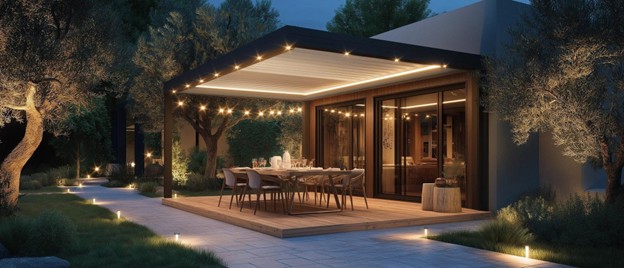
Before installation, check the manufacturer’s instructions and product labels for where and how the lights are intended to be used. Damaged sockets, exposed or frayed wiring, loose connections, or other visible damage are reasons not to use a light string until the appropriate replacement or repair is determined.
If the project requires new wiring, hardwiring, a new receptacle, or other electrical work beyond a simple plug-in installation, homeowners should consider having the work evaluated and performed by an appropriately qualified electrical professional.
3. Plan the Height, Spacing, Attachment Points, and Supports Before Hanging the Lights
Before hanging the lights, decide where each strand will begin and end, how it will cross the space, and what will support it.
Consider:
- The height of the lights above seating, dining, or walking areas
- The distance between attachment points
- How much the strands will naturally sag between supports
- Whether the pattern will run in straight lines, diagonally, around a perimeter, or in another layout
- Where posts or other supports may be needed
- Whether existing structures are appropriate attachment points
- How cords and connections will be positioned
- How the installation will look during the daytime when the lights are turned off
Do not assume that a fence, railing, pergola, fascia, tree, wall, or other feature is automatically suitable for supporting or attaching lights. Suitability depends on the structure, product, installation method, and property conditions.
If the project involves structural attachments, new posts, difficult mounting conditions, or uncertainty about what can safely support the lighting, homeowners should consider consulting the appropriate qualified professional.
4. Choose a Light Color and Brightness That Create the Atmosphere You Want
Bistro lighting usually works best when it supports the mood and function of the outdoor area rather than making the space as bright as possible.
Warmer-looking light is often associated with the relaxed café-style appearance homeowners expect from bistro lighting. Brightness should also be considered alongside nearby wall sconces, landscape lighting, pool lighting, and other existing outdoor light sources.
If dimming is important, use bulbs, light strings, and controls that are designed to work together. Follow the manufacturer’s compatibility and installation instructions.
5. Plan an Appropriate Outdoor Power Source and GFCI Protection
Before hanging the lights, determine how they will receive power. The location of an existing outdoor receptacle can affect the layout, cord length, and whether a simple plug-in installation is practical.
The U.S. Consumer Product Safety Commission recommends GFCI protection for outdoor lighting. Extension cords used outdoors should also be rated for their intended use and kept in good condition.
Follow the manufacturer’s instructions regarding power connections and how many strands may be connected together.
If the installation requires new wiring, a new receptacle, hardwiring, or changes to the home’s electrical system, homeowners should use an appropriately qualified electrical professional.
6. Check HOA Rules, Property Restrictions, Attachment Limitations, and Nearby-Neighbor Considerations
Before installing bistro lighting, consider whether HOA rules, lease restrictions, architectural guidelines, property boundaries, or other property-specific limitations may apply.
In an HOA community, exterior lighting or visible attachments may require approval. Review the current governing documents before making a permanent or highly visible installation.
Also consider nearby neighbors. Placement, brightness, direction, timers, and operating hours can help reduce unnecessary light spilling into adjacent windows, balconies, or yards.
Requirements vary by property and community, so homeowners should verify what applies to their specific home rather than assuming the same installation is appropriate everywhere.
7. Think About Timers, Weather Exposure, Maintenance, Replacement Bulbs, and Daytime Appearance
Bistro lighting should be planned for long-term use, not just for how it looks on the first evening.
If timers, dimmers, or smart controls are used, make sure they are compatible with the specific lighting system and suitable for the location. Follow the manufacturer’s guidance for weather exposure, storage, and year-round outdoor use.
Periodically check bulbs, sockets, cords, and connections for visible damage or deterioration, and stop using damaged equipment until the appropriate repair or replacement is determined.
Also consider daytime appearance. Cords, posts, attachment hardware, and support wires remain visible when the lights are off, so the installation should look reasonably organized during the day as well as at night.
Can Bistro Lighting Help When Selling a Home?
Bistro lighting may help an outdoor area feel more inviting during photography, video, open houses, or evening showings when it complements the property and is presented well.
For sellers, the benefit is primarily presentation. A patio, courtyard, balcony, or backyard that feels intentional and comfortable may help buyers better visualize how the space could be used.
Bistro lighting does not guarantee increased appraised value, a higher sale price, or a particular buyer response. For Irvine and Newport Beach sellers, it can simply be one element that helps an outdoor living area photograph and show attractively.
For Irvine and Newport Beach sellers, thoughtfully staged outdoor living areas can be especially useful when those spaces are an important part of the home’s lifestyle appeal. Bistro lighting may be one relatively simple element that helps the area photograph and show attractively without suggesting that the lighting itself determines the home’s market value.
Helpful Resources
U.S. Consumer Product Safety Commission — Outdoor Lighting Safety
he CPSC provides consumer guidance on outdoor decorative lighting, including checking that lights are certified for outdoor use, inspecting cords and sockets for damage, using extension cords rated for their intended use, and using GFCI protection for outdoor lighting.
UL Solutions — Decorative Lighting Strings
UL Solutions explains the distinction between decorative light strings intended only for indoor use and products evaluated for both indoor and outdoor use, along with information about safety certification for decorative lighting.
Bistro Lighting Can Transform Outdoor Living Space at Home
What is bistro lighting?
Bistro lighting generally refers to decorative string lighting used above or around patios, courtyards, pergolas, balconies, outdoor dining areas, and other gathering spaces to create a softer, warmer evening atmosphere.
Where should bistro lighting be installed?
Bistro lighting often works best over areas where people naturally gather, such as patios, outdoor dining spaces, courtyards, pergolas, outdoor kitchens, seating areas, and permitted balconies.
What type of bistro lights should be used outdoors?
Use lights specifically designed and labeled for outdoor use, and follow the manufacturer’s instructions regarding installation, weather exposure, connected strands, replacement bulbs, and compatible accessories.
Do outdoor bistro lights need GFCI protection?
The U.S. Consumer Product Safety Commission recommends GFCI protection for outdoor lighting. Outdoor extension cords should also be rated for their intended use and kept in good condition.
How high should bistro lights be hung?
There is no single correct height for every installation. Appropriate height depends on the space, lighting product, supports, walking areas, attachment points, and strand sag. Follow the manufacturer’s instructions and obtain qualified help when needed.
What color of bistro lighting works well for an outdoor living area?
Many homeowners prefer warmer-looking light for a relaxed café-style atmosphere. The best color and brightness depend on the space, surrounding lighting, and how the area will be used.
Do HOA rules apply to bistro lighting?
They may. HOA communities can have rules affecting exterior lighting, visibility, attachments, and architectural changes. Review the current governing documents and determine whether approval is required.
Can bistro lighting help when selling a home?
Bistro lighting may help an outdoor area photograph and show more attractively by making the space feel inviting and usable. It does not guarantee a higher sale price, increased appraised value, or a particular buyer response.
Final Thoughts
Bistro lighting can be a simple way to make an outdoor living area feel more inviting after sunset, but good results usually come from planning before installation.
Choose the area you actually want to use, select outdoor-rated products, plan the supports and power source carefully, check applicable property or HOA restrictions, and consider how the installation will look both at night and during the day.
For Irvine, Newport Beach, and surrounding Orange County homeowners, thoughtfully lighting one patio, courtyard, dining area, or conversation space may be enough to create a noticeable improvement in atmosphere.
If you are thinking about selling a home in Irvine, Newport Beach, or surrounding Orange County communities, I am happy to talk with you about the property, your timing, and how the home may be presented and marketed to potential buyers.
My approach includes professional presentation, in-house video marketing, custom home tours, social media exposure, open houses, buyer-focused content, and ongoing communication throughout the selling process.
There is no obligation to start with a conversation.
Tony Babarino
Irvine Real Estate Broker with REAL Broker
Serving Irvine, Newport Beach, and surrounding Orange County communities
California DRE#01717758
TonyBabarino.com
Call/Text: (949) 633-6741

Disclaimer: This article is for general homeowner and real-estate educational information only and is not electrical, engineering, construction, structural, code, legal, HOA, appraisal, safety, or other professional advice. Outdoor-lighting products, electrical requirements, installation methods, structural attachment points, manufacturer specifications, HOA rules, local requirements, and property conditions can vary. Nothing in this article should be interpreted as a determination that a particular lighting product, electrical connection, attachment method, support, installation, or property condition is safe, code compliant, appropriate, permitted, or suitable for a specific property. Homeowners should follow current manufacturer instructions and applicable requirements and consult the appropriate qualified electrician, contractor, engineer, HOA, local authority, attorney, or other professional when applicable. If your property is currently listed or you are already represented by another real estate broker, this article is not intended as a solicitation.
Want more Irvine real estate insights, helpful homeowner tips, and original videos in your Google experience? Add TonyBabarino.com as a Preferred Source.