
Mold can develop in places homeowners rarely see, including behind walls, beneath flooring, and around areas affected by moisture. Depending on the conditions, mold growth may damage building materials and cause health problems for some people, particularly those with allergies, asthma, or certain respiratory conditions. Knowing what causes mold, where to look for warning signs, and when to seek professional help can make it easier to address moisture problems before they become more extensive.
What Is Mold?
Mold is a type of fungus that grows in environments where sufficient moisture is present. It reproduces by releasing microscopic spores into the air. When these spores settle on damp materials under suitable conditions, mold may begin to grow. Mold can appear in different colors, including black, green, white, or pink, and some growth produces a noticeable musty odor.
Inside a home, mold may grow on materials such as wood, drywall, carpeting, and other surfaces where moisture collects. Some growth is visible, while other areas may remain hidden behind walls, beneath flooring, or inside building systems affected by moisture. Mold growth can damage certain materials over time, making it important to investigate moisture problems and address their underlying causes.
How Mold Exposure May Affect Your Health
The health effects associated with mold exposure can range from mild to severe, and some people may be more vulnerable than others.
Common Health Effects
Exposure to mold may cause allergic reactions or respiratory irritation in some people. Symptoms can include:
- Sneezing or a runny nose
- Coughing
- Red, itchy, or watery eyes
- Skin irritation or rashes
- Throat irritation
- Wheezing, particularly in people with asthma
Symptoms such as headaches or fatigue can have many possible causes and should not automatically be attributed to mold exposure.
Who May Face Greater Health Risks From Mold?
Some people may be more sensitive to mold exposure or face additional health risks because of existing medical conditions.
- People with asthma: Mold exposure may trigger symptoms such as wheezing, coughing, and difficulty breathing. In some cases, asthma symptoms may become severe.
- People with mold allergies: Exposure may cause more pronounced allergic or respiratory symptoms.
- People with weakened immune systems: Certain molds may cause fungal infections, including serious infections in people whose immune systems are significantly weakened.
- People with chronic lung conditions: Some may face an increased risk of fungal infections or respiratory complications.
Persistent coughing, breathing difficulties, or other unexplained symptoms should be evaluated by a qualified healthcare professional rather than automatically attributed to mold.
What About Black Mold and More Serious Health Risks?
Some molds, including Stachybotrys chartarum, can produce substances called mycotoxins under certain conditions. However, identifying mold by its color does not establish how dangerous it is or whether it produces mycotoxins.
Exposure to damp or moldy indoor environments may cause or worsen respiratory symptoms, particularly in people with allergies or asthma. People with weakened immune systems or certain chronic lung conditions may also face a greater risk of fungal infections.
Claims linking ordinary household mold exposure to neurological damage, immune-system suppression, pulmonary hemorrhage, or death should not be presented as established outcomes without strong, condition-specific medical evidence.
If you notice mold growth or persistent moisture in your home, address the moisture source and consider consulting a qualified professional. Anyone experiencing persistent or serious health symptoms should seek advice from a healthcare professional.
Beyond Health: What Else Is at Stake
Beyond potential health concerns, mold growth and ongoing moisture problems may damage building materials, lead to expensive repairs, and raise questions about a property’s condition when it’s time to sell.
Structural Damage
Mold growth can be a warning sign of excess moisture affecting a home’s building materials. Prolonged moisture exposure may also contribute to deterioration, including wood decay that can weaken structural components. Areas that may be affected include:
- Wood framing
- Floor joists
- Ceiling tiles
- Drywall
Depending on the extent of the moisture damage, repairs may involve replacing affected drywall, insulation, or wood components. If structural deterioration is suspected, a qualified professional should evaluate the affected areas before repairs begin.
Property Value and Marketability
A known mold or moisture problem may raise concerns for prospective buyers, particularly when the source of the moisture has not been identified or corrected. Depending on the circumstances, buyers may request additional inspections, documentation of previous repairs, remediation records, or negotiate over the property’s condition.
For homeowners preparing to sell in Irvine, Newport Beach, or surrounding Orange County communities, addressing moisture problems before listing may help reduce unanswered questions during the transaction. California sellers also have disclosure obligations, and a known mold or water intrusion issue may need to be disclosed even if repairs have already been completed.
Does Homeowners Insurance Cover Mold Damage?
Homeowners insurance does not automatically cover mold removal or repairs. Coverage often depends on what caused the moisture problem, the terms of the policy, and any exclusions or coverage limits.
For example, mold resulting from a sudden, covered plumbing failure may be treated differently from mold caused by an ongoing leak, poor maintenance, or long-term moisture exposure.
Some policies exclude mold-related damage or provide only limited coverage. Homeowners should review their policy and speak with their insurance company or licensed insurance representative before assuming that mold inspection, removal, or related repairs will be covered.
How Moisture Leads to Mold Growth
Mold can begin growing when spores settle on materials that remain damp under suitable conditions. Understanding common moisture sources can help homeowners recognize potential problems and take action before mold spreads.
Why Moisture Is the Main Cause of Indoor Mold Growth
Moisture is a key condition that allows mold to grow, and common sources can include:
- Leaky pipes or roofs
- Flooding
- High humidity
- Condensation
- Poor ventilation in bathrooms and kitchens
Mold can begin growing on damp materials within 24 to 48 hours under favorable conditions, although visible growth may take longer to appear. The timing depends on factors such as temperature, humidity, the affected material, and how long moisture remains present. Drying water-damaged areas promptly and correcting the source of moisture can help reduce the chance of mold developing.
Possible Warning Signs of Mold or Moisture Problems
Mold growth is not always easy to identify. Some warning signs may indicate excess moisture, visible mold, or conditions that allow mold to develop. Watch for the following changes around your home:
- Wall Discoloration: Dark, green, brown, or black spots on walls and ceilings may indicate mold growth, although discoloration alone does not confirm that mold is present. Stains can also result from previous water damage or other causes. Areas that remain damp or develop new discoloration should be investigated to identify the source.
- Bubbling or Peeling Paint: Paint that bubbles, cracks, or begins separating from a wall may indicate moisture beneath the surface. Possible causes include plumbing leaks, condensation, or water entering from outside. Although these conditions can support mold growth, damaged paint alone does not confirm that mold is present. Investigating the moisture source can help prevent further deterioration.
- Musty Smell: A persistent musty or earthy odor, particularly in closets, bathrooms, laundry rooms, or other areas with limited ventilation, may indicate excess moisture or hidden mold growth. However, an odor alone does not confirm the presence of mold. If the smell continues, investigate possible sources of moisture, including plumbing leaks, condensation, or previously water-damaged materials.
- Peeling Wallpaper or Cracked Paint: Wallpaper that begins separating from the wall, or paint that cracks and peels, may indicate moisture beneath the surface. High humidity, condensation, or hidden leaks can contribute to these problems, particularly in bathrooms, kitchens, and laundry rooms. Although prolonged moisture may also allow mold to grow behind these materials, peeling wallpaper or damaged paint alone does not confirm its presence.
- Allergic Reactions: Sneezing, coughing, itchy eyes, or nasal congestion that becomes worse indoors may be associated with mold exposure, but other allergens and irritants can cause similar symptoms. If symptoms improve when someone leaves the home, consider investigating possible indoor triggers, including moisture problems, dust mites, pet allergens, and ventilation conditions. People with asthma or mold allergies may be particularly sensitive to mold exposure.
- Visible Mold Growth: Mold may appear as fuzzy, powdery, or discolored patches on walls, ceilings, furniture, and other surfaces. Its appearance can vary, with colors including green, black, white, brown, and orange. However, color and appearance alone cannot reliably identify a particular mold species or determine its potential health effects. Visible growth should prompt homeowners to investigate the moisture source and take appropriate steps to address the problem.

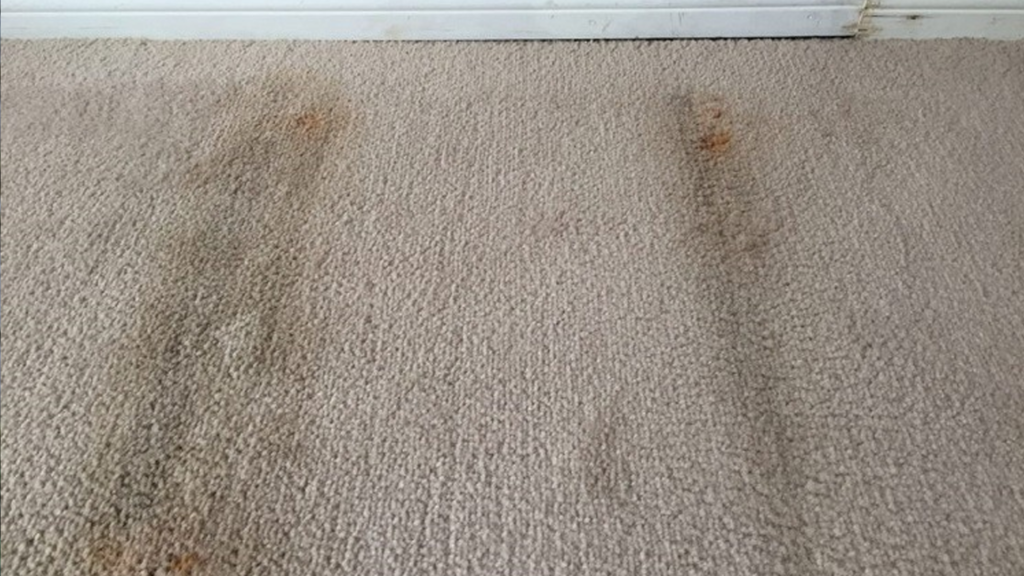
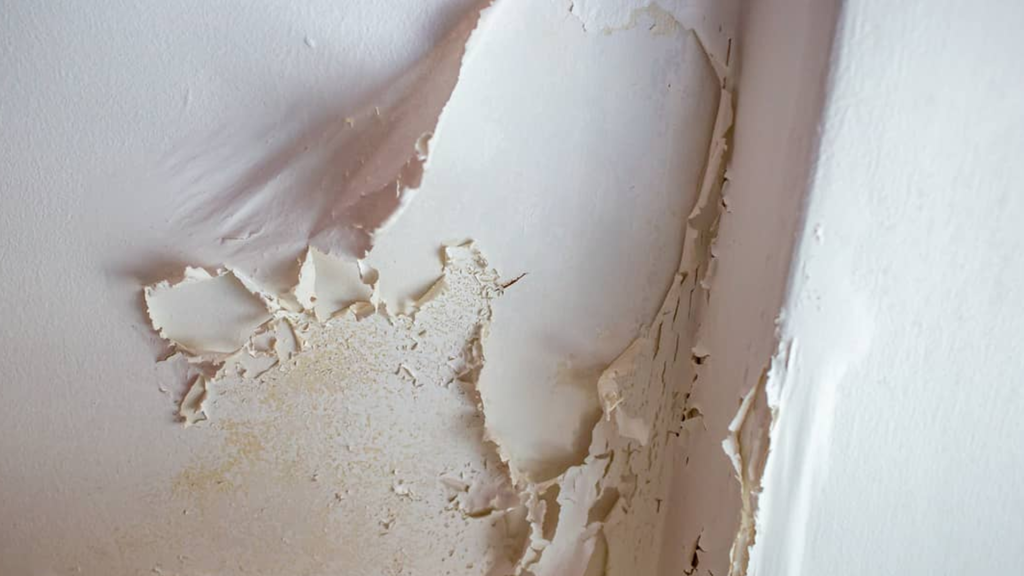
Recognizing these warning signs may help homeowners identify moisture problems before more extensive damage occurs. If you notice unexplained staining, persistent odors, or visible mold growth, investigate the source of moisture and determine whether further inspection or professional assistance is needed.
Where Mold May Grow Without Being Noticed
Mold may develop in concealed areas where moisture accumulates or water damage goes undetected. Common locations include:
- Behind wallpaper
- Under carpets, especially those installed over concrete
- Inside ductwork
- Behind drywall after plumbing leaks
- In attics with roof leaks
- Around window frames where condensation collects
Because these areas are not always visible during everyday activities, moisture problems and mold growth may go unnoticed for extended periods. Unexplained odors, recurring stains, or evidence of past water intrusion may justify a closer inspection.
How to Help Prevent Mold Growth in Your Home
Many indoor mold problems begin with moisture that remains on surfaces or building materials. Regular maintenance, prompt attention to leaks, and proper humidity control may help homeowners reduce the conditions that allow mold to grow.
Control Moisture
- Fix leaks immediately—even small ones
- Use exhaust fans in bathrooms, kitchens, and laundry rooms
- Keep indoor relative humidity below 60%, ideally between 30% and 50%. Use a humidity monitor to check conditions, and consider a dehumidifier in areas where moisture levels remain elevated.
- Dry wet areas within 24-48 hours
- Don’t carpet bathrooms or basements
A Note About Mold-Resistant Paint: Consider paint specifically formulated to resist mold and mildew in moisture-prone areas, such as bathrooms and laundry rooms. Follow the manufacturer’s instructions, and correct any leaks or moisture problems before painting. Mold-resistant paint does not eliminate existing mold or prevent growth when moisture problems continue.
Improve Ventilation
- Open windows when outdoor conditions are suitable and doing so will not introduce excessive humidity. Keep windows closed when outdoor air is unusually humid or smoky.
- Use ceiling fans to improve air circulation, but remember that fans do not remove moisture from indoor air. Use bathroom exhaust fans, appropriate ventilation, or a dehumidifier when additional humidity control is needed.
- Make sure conventional vented clothes dryers exhaust outdoors, not into attics, garages, or other enclosed spaces. For ventless dryers, follow the manufacturer’s installation, maintenance, and ventilation requirements.
- Leave some space between large furniture and walls, especially exterior walls, to allow air to circulate. Check these areas periodically for condensation, dampness, or signs of moisture damage.
Regular Maintenance
- Clean gutters and downspouts regularly to help direct rainwater away from your home. Check for blockages, overflowing gutters, and drainage problems that may allow water to collect near the roof, exterior walls, or foundation.
- Inspect ceilings and walls for new water stains, discoloration, bubbling paint, or damp spots. These changes may indicate a roof leak, plumbing problem, or other source of moisture that should be investigated before additional damage occurs.
- Check beneath kitchen and bathroom sinks at least once a month for dripping pipes, damp cabinet surfaces, water stains, or musty odors. Pay attention to plumbing connections and cabinet floors, where slow leaks may go unnoticed.
- Clean and dust surfaces regularly, especially in areas where moisture tends to collect. Dust can contain organic material that supports mold growth when surfaces remain damp. Routine cleaning helps remove accumulated dust, but moisture control remains the most important part of preventing mold.
- Wash bath mats, shower curtains, and towels regularly according to their care labels. Allow these items to dry thoroughly between uses, and avoid leaving damp fabrics in enclosed spaces where moisture can accumulate.
WARNING. CAUTION. DANGER!
DANGER: Cleaning Safety: Never Mix Bleach With Other Cleaning Products
Example of Some Dangerous Chemical Combinations to Avoid:
NEVER MIX Bleach and Ammonia
Mixing household bleach with ammonia or ammonia-containing cleaning products can release toxic chloramine gases. Exposure may cause:
- Burning or irritation of the eyes, nose, and throat
- Coughing, wheezing, and chest discomfort
- Shortness of breath or difficulty breathing
- Serious lung injury following substantial exposure
The severity of symptoms depends on factors such as the concentration of the gases, the duration of exposure, and ventilation conditions. Severe exposures can be life-threatening.
Safety warning: Never combine bleach with ammonia or cleaning products containing ammonia. If an accidental mixture produces fumes, leave the area immediately and avoid further exposure. Seek urgent medical assistance for breathing difficulties or severe symptoms.
NEVER MIX Bleach and Vinegar
Mixing household bleach with vinegar or other acidic cleaning products can release toxic chlorine gas. Depending on the amount of gas released and the duration of exposure, symptoms may include:
- Burning or irritation of the eyes, nose, and throat
- Coughing and chest tightness
- Shortness of breath or difficulty breathing
- Serious lung injury following substantial exposure
The risk of harmful exposure may be greater in small or poorly ventilated spaces, such as bathrooms and enclosed laundry areas.
Safety warning: Never combine bleach with vinegar, acidic toilet bowl cleaners, or other products containing acids. If the products are accidentally mixed, leave the area immediately. Do not attempt to neutralize the mixture with another chemical. Seek urgent medical assistance if breathing difficulties or severe symptoms occur.
NEVER MIX Bleach and Rubbing Alcohol
Mixing household bleach with rubbing alcohol can produce chloroform and other potentially harmful chemical byproducts. Exposure to the resulting vapors may cause:
- Headaches, dizziness, or nausea
- Irritation of the eyes and respiratory tract
- Confusion or drowsiness
- More serious health effects following substantial exposure
The severity of exposure depends on the chemicals involved, their concentrations, ventilation, and how long someone remains in the affected area.
Safety warning: Never mix bleach with rubbing alcohol or alcohol-based cleaning products. If accidental mixing occurs, leave the area immediately and avoid breathing the vapors. Do not attempt to neutralize the mixture with another chemical. Seek medical assistance if symptoms develop.
NEVER MIX Bleach and Hydrogen Peroxide
Mixing household bleach with hydrogen peroxide can cause a chemical reaction that releases oxygen gas and heat. The reaction may produce bubbling, splashing, and pressure buildup, particularly if the chemicals are mixed in a closed container.
Possible hazards include:
- Skin or eye irritation and chemical burns from splashing
- Heat generated during the reaction
- Rapid gas release that may cause a sealed container to rupture
- Injury from splashes or a ruptured container
Safety warning: Never combine bleach with hydrogen peroxide or products containing it. If the chemicals are accidentally mixed, move away from the area and avoid handling the mixture. Do not seal the container or attempt to neutralize the chemicals. Seek professional guidance if the situation presents an immediate danger.
Important Cleaning Safety Reminder: Never mix household cleaning products unless the manufacturer specifically instructs you to do so. Use one product at a time, follow its label directions, and allow surfaces to dry before applying another cleaner. If changing products, follow the manufacturer’s instructions for rinsing and ventilation. Never assume that two products are safe to combine simply because they are commonly used in household cleaning.
What Should You Use to Clean Mold?
For small areas of mold growth on hard, nonporous surfaces, cleaning with detergent and water may be sufficient. The surface should be scrubbed as appropriate and dried completely after cleaning.
Bleach is not routinely necessary for cleaning mold. The EPA generally recommends removing mold from hard surfaces with detergent and water rather than relying on chemicals to kill it. Dead mold can still cause allergic reactions, so physically removing the growth is important.
Porous materials, including carpeting, ceiling tiles, and some drywall, may be difficult or impossible to clean completely once mold has grown into them. Depending on the extent of the damage, removal and replacement may be necessary.
Choosing an Appropriate Cleaning Product
- Detergent and water: For small areas of mold on hard, nonporous surfaces, cleaning with detergent and water is generally recommended. Scrub the affected surface and dry it thoroughly.
- Commercial mold-cleaning products: Use only products labeled for the affected surface and intended purpose. Follow all instructions, warnings, and ventilation requirements.
- Hydrogen peroxide, vinegar, baking soda, and borax: These substances are sometimes promoted as household mold cleaners, but their effectiveness and suitability vary. They should not be presented as universal substitutes for proper mold removal.
Cleaning products cannot correct an underlying moisture problem. Porous materials with established mold growth may need to be removed and replaced rather than treated with household cleaners.
Safety Precautions for Cleaning Mold
Cleaning mold may expose homeowners to airborne mold particles, contaminated materials, and potentially hazardous cleaning chemicals. Before attempting a small cleanup project, consider the size of the affected area, the materials involved, and whether you can safely complete the work. Use appropriate protective equipment and follow the cleaning product manufacturer’s instructions.
- Wear protective gloves when cleaning mold or handling cleaning products. For routine cleanup using detergent and water, waterproof household gloves may be appropriate. If using chemical cleaners, choose gloves compatible with the specific product and follow the manufacturer’s safety instructions. Avoid direct contact with mold-contaminated materials and cleaning solutions.
- Wear properly fitted safety goggles to protect your eyes from cleaning solutions, splashes, and airborne particles. Goggles with indirect ventilation are generally recommended for mold cleanup because they provide better protection than ordinary safety glasses. Follow the cleaning product’s safety instructions for any additional eye or face protection.
- When cleaning a small area of mold, follow the cleaning product’s ventilation instructions and take precautions to avoid spreading mold particles into other rooms. Avoid directing fans across mold-contaminated surfaces, as this may disperse spores into the air. If using a chemical cleaner, follow the manufacturer’s instructions for ventilation and never mix it with another cleaning product unless the label specifically permits it.
- Wear a properly fitted, NIOSH-approved N95 respirator when cleaning small areas of mold to help reduce exposure to airborne mold particles. An N95 respirator filters particles but does not protect against chemical gases or vapors. If the work involves chemical cleaners, follow the product’s safety instructions and do not assume that an N95 provides adequate protection. Larger mold problems or conditions requiring specialized respiratory equipment may call for professional remediation.
- Keep children and pets away from areas where mold is being cleaned or contaminated materials are being removed. Do not allow them to return until cleanup is complete, affected surfaces are thoroughly dry, and any cleaning products have been used and cleared according to their label instructions. Make sure cleaning supplies and removed materials are safely stored or disposed of.
If you develop dizziness, headaches, coughing, eye irritation, or breathing difficulties during mold cleanup, stop working and move to fresh air immediately. If a cleaning chemical gets into your eyes, begin rinsing with running water and seek prompt medical guidance. For suspected chemical exposure, contact Poison Control at 1-800-222-1222 for instructions. Call 911 if someone has severe difficulty breathing, collapses, loses consciousness, or experiences another life-threatening reaction. Do not return to the affected area until it is safe to do so.
For mold covering more than approximately 10 square feet, consider hiring a qualified mold remediation professional. Professional assistance may also be appropriate when mold affects HVAC components, results from extensive water damage, or may be hidden inside walls or other building materials. If you suspect mold contamination in your heating or air-conditioning system, avoid operating the affected system until it has been evaluated. The color of mold alone does not determine whether professional removal is necessary. Regardless of the cleanup method, the underlying moisture problem must be corrected to help prevent mold from returning.
When Should You Hire a Mold Remediation Professional?

Some mold problems are more complicated than routine household cleaning can address. The size of the affected area, the source of moisture, the materials involved, and possible contamination of building systems can all influence whether professional assessment or remediation is appropriate.
Size and Location of Mold Growth
Even a relatively small area of mold may warrant professional evaluation if it involves hidden moisture, contaminated insulation, or damage inside walls and ceilings. The visible area does not always reveal the full extent of a moisture problem.
After Flooding
After flooding or significant water intrusion, begin drying affected areas as soon as it is safe to do so. Carpeting, padding, upholstered furniture, drywall, and insulation may need to be removed or replaced if they cannot be thoroughly cleaned and dried. Materials exposed to sewage or contaminated floodwater may require special handling or disposal. Professional assessment may be appropriate when water has entered wall cavities, affected large areas, or remained trapped in building materials.
When You Can Smell But Not See Mold
A persistent musty odor may indicate moisture or hidden mold growth, even when no mold is visible. Possible sources include plumbing leaks, damp flooring, wall cavities, or previously water-damaged materials. If the odor continues after obvious moisture problems have been addressed, further investigation or professional inspection may be appropriate.
Persistent Symptoms That May Be Related to Indoor Air Quality
If someone experiences recurring coughing, sneezing, eye irritation, or breathing difficulties that improve when away from home, consider possible indoor environmental triggers. Mold exposure is one possibility, but dust mites, pet allergens, and other irritants may produce similar symptoms. A healthcare professional can help evaluate persistent symptoms, while a qualified building professional may help investigate suspected moisture or mold problems.
What Professional Remediation Involves
Professional mold remediation generally involves evaluating the affected areas, controlling the spread of contamination, removing mold-damaged materials when necessary, and checking the results after cleanup. The specific procedures depend on the extent of the problem, the materials involved, and the conditions found during the initial assessment.
1) Assessment
A qualified professional may begin by examining the affected areas, looking for moisture sources, and determining how far the problem extends. Depending on the circumstances, the assessment may include:
- Inspecting visible mold growth and areas with signs of water damage
- Checking for plumbing leaks, roof leaks, condensation, or other moisture sources
- Using moisture meters or other inspection equipment when appropriate
- Examining nearby building materials for signs of concealed damage
- Considering air or surface sampling when the results would help answer a specific question about the property
Mold testing is not always necessary. When visible mold is present, identifying the particular species generally does not change the need to remove the growth and correct the moisture problem. Testing may be useful in certain situations, but it should have a clear purpose.
2) Containment
During mold remediation, disturbing contaminated materials can release mold particles into the air. Depending on the size and location of the affected area, professionals may use containment measures to limit the spread of those particles into other parts of the home.
Common containment methods include:
- Physical barriers: Plastic sheeting or other barriers may be installed to separate affected areas from occupied spaces.
- Negative air pressure: Specialized equipment may be used to keep air moving into the contained area rather than allowing contaminated air to escape.
- HEPA air filtration: Professional air-cleaning equipment with HEPA filters may be used to capture airborne particles during remediation.
The containment plan should reflect the conditions found during the assessment. Not every mold cleanup project requires the same equipment or procedures.
How HEPA Filtration Helps During Mold Remediation
HEPA stands for High-Efficiency Particulate Air. A HEPA filter is designed to capture at least 99.97% of airborne particles measuring 0.3 microns under its specified test conditions. This makes properly maintained HEPA filtration equipment useful for capturing airborne mold spores and other particles during remediation.
Professional remediation companies may use HEPA-equipped air scrubbers and vacuums to help control particles released when contaminated materials are disturbed.
HEPA filtration may help with:
- Capturing airborne particles: HEPA filters collect mold spores and other particles that pass through the filtration equipment.
- Reducing the spread of contamination: Properly positioned air-cleaning equipment may help reduce the movement of airborne particles into unaffected areas.
- Supporting containment: When equipment is configured to exhaust air outside a contained area, it may help maintain negative air pressure.
- Cleaning affected surfaces: HEPA-equipped vacuums may be used during appropriate stages of remediation to collect dust and particles.
Limitations of HEPA Filtration
HEPA filtration alone cannot solve a mold problem. There are several important limitations:
- Moisture control: HEPA filtration cannot correct leaks, condensation, or other moisture problems that allow mold to grow.
- Existing mold growth: Air filtration does not remove mold embedded in drywall, carpeting, wood, or other building materials.
- Equipment maintenance: HEPA equipment requires proper maintenance, including filter replacement according to the manufacturer’s instructions.
- Airflow and placement: Effectiveness depends on factors such as airflow, filter condition, equipment placement, and the remediation procedures being used.
HEPA filtration is generally one part of a broader remediation process that includes correcting moisture problems, removing affected materials when necessary, and cleaning contaminated surfaces using appropriate methods.
3) Removal
The removal process depends on the extent of mold growth, the materials affected, and whether those materials can be cleaned successfully.
Professionals may use several methods:
- Removing damaged materials: Mold-contaminated drywall, carpeting, insulation, or other porous materials may need to be removed and replaced when they cannot be cleaned effectively.
- Cleaning affected surfaces: Some hard, nonporous surfaces may be cleaned using appropriate methods to physically remove mold growth.
- HEPA vacuuming: HEPA-equipped vacuums may be used to collect dust and mold particles during appropriate stages of cleanup.
- Specialized treatments: Certain cleaning or antimicrobial products may be used when appropriate for the affected materials. These products do not replace physical mold removal or correction of the underlying moisture problem.
The goal is to remove mold contamination, address damaged materials, and correct the conditions that allowed the growth to develop. No cleaning product or treatment can guarantee that mold will never return.
4) Follow-up
After mold remediation, the affected areas should be evaluated to determine whether the cleanup objectives have been met. Depending on the situation, follow-up procedures may include:
- Visual inspection: Checking that visible mold growth and contaminated materials have been removed or properly cleaned.
- Moisture verification: Confirming that the original moisture problem has been corrected and affected materials have dried appropriately.
- Post-remediation assessment: An independent professional may evaluate the completed work when appropriate. Additional testing is not always necessary.
- Preventive recommendations: Identifying maintenance, ventilation, or moisture-control measures that may help reduce the chance of mold returning.
A completed remediation project should address both the mold contamination and the moisture conditions that contributed to it. Homeowners should retain inspection reports, remediation invoices, photographs, and other relevant documentation for future reference.
Final Thoughts
Preventing mold growth begins with controlling moisture. Checking for leaks, managing indoor humidity, and addressing water damage promptly may help reduce the conditions that allow mold to develop.
Homeowners should not wait for visible mold before investigating persistent dampness, unexplained stains, or musty odors. These warning signs may indicate moisture problems that need attention, even when no mold is visible.
When mold is discovered, the appropriate response depends on the size of the affected area, the materials involved, and the source of moisture. Small problems may be manageable with proper precautions, while larger or more complicated situations may require professional assistance. Correcting the underlying moisture problem is an important part of preventing mold from returning.
For homeowners considering selling in Irvine, Newport Beach, or surrounding Orange County communities, previous moisture problems and mold remediation may become part of a buyer’s inspection and disclosure questions. Addressing known concerns and keeping records of completed repairs can help buyers better understand the property’s condition. Once your home is ready to be presented to potential buyers, the next consideration is how to reach them.
As an Irvine Real Estate Broker and REALTOR® serving Irvine and surrounding Orange County communities, I use modern marketing methods, including custom video and social media reach, to help my sellers’ homes attract more attention.
Rather than relying only on buyers finding your listing, I work to put your home in front of potential buyers where they’re already spending time: on social media, watching videos, and browsing online from their phones, tablets, televisions, and computers. This includes people who may be considering a move but haven’t started actively searching for a home.
Sometimes, seeing the right home at the right time is enough to turn someone’s curiosity into genuine interest.
I don’t just wait for buyers to find your home. I help potential buyers discover it.
Tony Babarino
Irvine Real Estate Broker | REAL Broker
California DRE#01717758
Call/Text: (949) 633-6741

REFERENCES:
Centers for Disease Control and Prevention (CDC): Mold and Your Health
https://www.cdc.gov/mold-health/about/
Environmental Protection Agency (EPA): A Brief Guide to Mold, Moisture and Your Home
https://www.epa.gov/mold/brief-guide-mold-moisture-and-your-home
World Health Organization (WHO): Guidelines for Indoor Air Quality: Dampness and Mould
https://www.who.int/publications/i/item/9789289041683
Centers for Disease Control and Prevention (CDC): Facts About Stachybotrys chartarum (Black Mold)
https://www.cdc.gov/mold-health/data-research/facts-stats/
American Lung Association: Mold
https://www.lung.org/clean-air/indoor-air/indoor-air-pollutants/mold
Mayo Clinic: Mold Allergy, Symptoms and Causes
https://www.mayoclinic.org/diseases-conditions/mold-allergy/symptoms-causes/syc-20351519
University of Rochester Medical Center: Do Not Mix These Cleaning Products
https://www.urmc.rochester.edu/MediaLibraries/URMCMedia/environmental-health-sciences-center/COEC/documents/bad-chemical-combos.pdf
American Industrial Hygiene Association (AIHA): Mold Resource Center
https://www.aiha.org/public-resources/healthierworkplaces/workplace-hazards/disaster-response-resource-center/mold-resource-center
American Society of Home Inspectors (ASHI): The Evolution of Mold Testing
https://www.homeinspector.org/reporter-articles/the-evolution-of-mold-testing/
California Department of Insurance: Residential Insurance, Homeowners and Renters
https://www.insurance.ca.gov/01-consumers/105-type/95-guides/03-res/res-ins-guide.cfm
Want more Irvine real estate insights, helpful homeowner tips, and original videos in your Google experience? Add TonyBabarino.com as a Preferred Source.