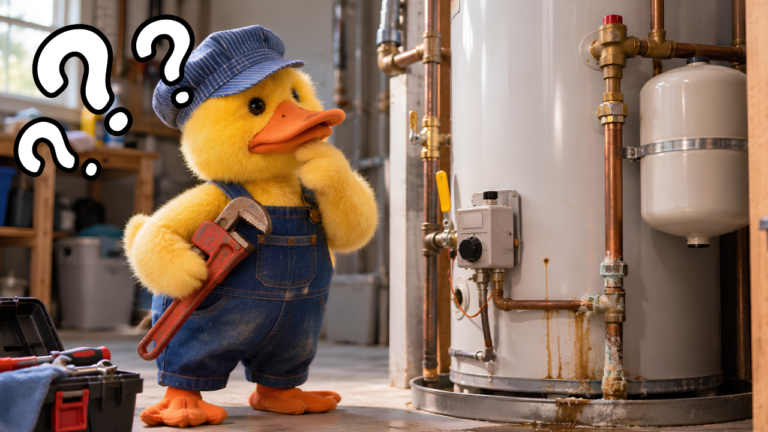
Many homeowners pay little attention to their water heater until it fails, often at an inconvenient time. This essential appliance works silently in the background, providing comfort through hot showers and clean dishes. Yet there are several maintenance and safety details that may help reduce costs, support longer service life, and lower certain risks.
1. Sediment Buildup Is Silently Killing Efficiency
Over time, minerals from your water supply settle at the bottom of your tank. This sediment layer can reduce efficiency, increase energy use, and contribute to wear over time. Periodic flushing may help reduce sediment buildup and support more efficient operation over time.
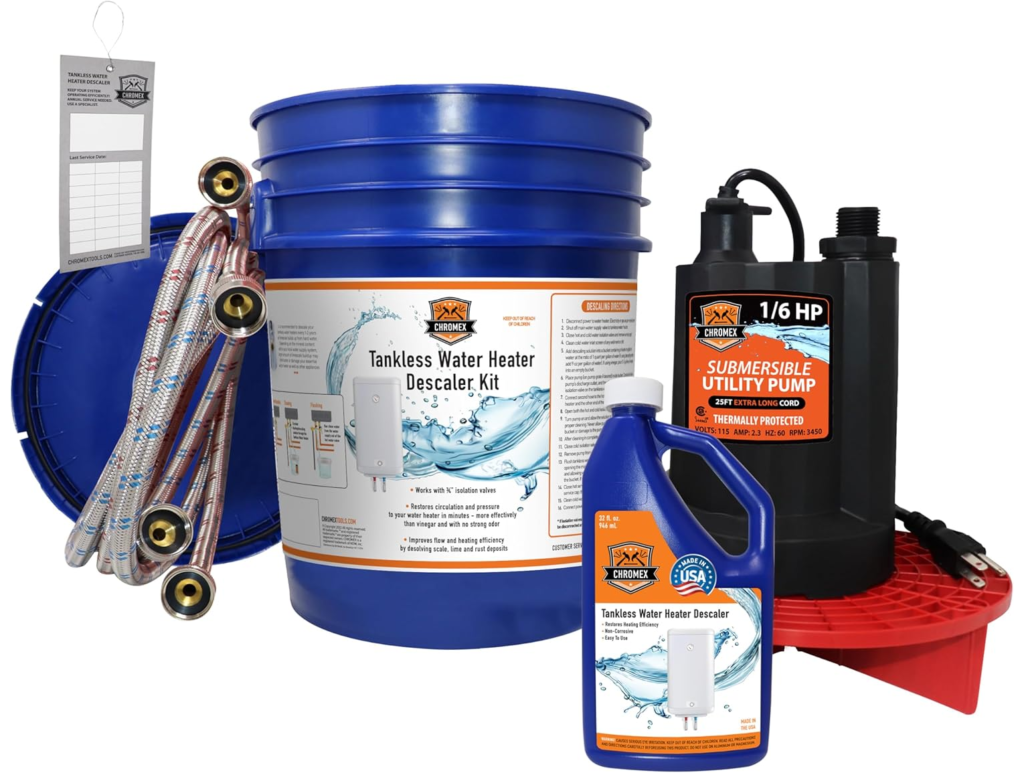
EXAMPLE: Chromex Tankless Water Heater Flush Kit with Certified Liquid Descaling Solution and 1/6HP Extra Strength Pump
2. Water Heater Temperature Settings Matter
Some water heaters may be set at 140°F (60°C), while a lower setting may be appropriate for many households depending on their needs and circumstances.
For some households, lowering the temperature setting to around 120°F (49°C) may help:
- Reduce energy use
- Lower the risk of scalding
- Slow some mineral buildup and corrosion
- Reduce thermal stress on the system
Lowering the temperature setting may reduce water-heating energy use, although the actual savings will vary by household, equipment, and usage.
3. The Anode Rod Is Your Water Heater’s Unsung Hero
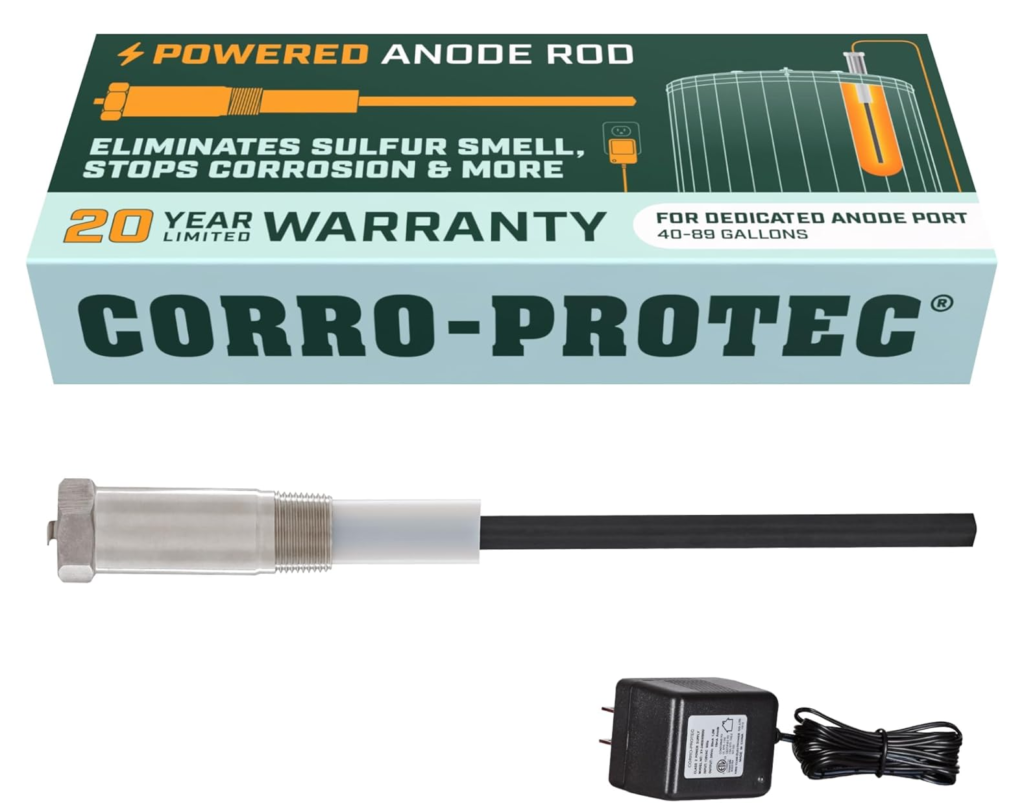
This seemingly simple metal rod helps protect your tank from internal corrosion. The sacrificial anode rod, typically made of magnesium or aluminum, corrodes in place of the tank’s steel lining. Many homeowners are unfamiliar with this component, yet inspecting it periodically and replacing it when needed may help support a longer service life for the water heater. Replacement timing can vary depending on water quality, usage, and the type of anode rod, so the manufacturer’s guidance and the rod’s actual condition should be considered.
EXAMPLE: Powered Anode Rod for Water Heater, 20-Year Warranty, Eliminates Rotten Egg/Sulfur Smell within 24 hours, Stops Corrosion and Reduces Limescale, Electrical Anode Rod Made of Titanium
(Click image to see more info)
4. Your Water Heater Has an Expected Service Life
The average lifespan of a standard tank water heater is 8-12 years. Tankless models typically last 20+ years. However, many homeowners expect their units to function indefinitely without maintenance. Check your unit’s manufacture date (usually on the serial number sticker) and begin planning for replacement when it approaches the decade mark. Proactively replacing an aging unit may reduce the risk of water damage associated with a tank failure.
5. Pressure Relief Valves Need Regular Testing
The temperature and pressure relief valve (T&P valve) is an important safety device designed to release excessive temperature or pressure that could otherwise create a dangerous condition. When excessive pressure or temperature develops, the valve is designed to release water and help relieve the condition. Testing is simple: lift the valve’s test lever for a few seconds, allowing some water to discharge, then release. Water should discharge when the lever is lifted and stop when it is released. If the valve does not operate as expected, have it evaluated promptly by a qualified professional. Most homeowners never test this vital safety component.
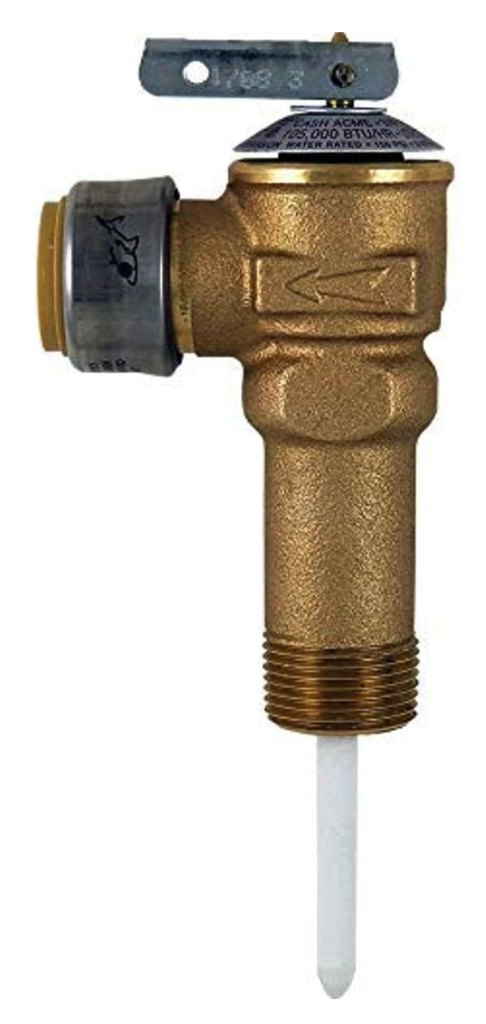
EXAMPLE: Temperature and Pressure Relief Valve
(Click image to see more info)
6. The Expansion Tank: The Accessory You Might Need
Modern plumbing systems with check valves or pressure-reducing valves create “closed systems” where thermal expansion has nowhere to go as water heats. This can contribute to elevated pressure, additional stress on the system, and other conditions that may require attention. An expansion tank provides space for this expanded water and can help manage pressure increases caused by thermal expansion. Expansion tanks may be required in some plumbing systems or jurisdictions, while some older homes may not have one installed.
7. Hard Water Can Affect Water Heater Performance and Service Life
In areas with hard water, mineral buildup can increase scaling inside the water heater and may contribute to reduced efficiency and additional wear over time. A whole-house water softener may help reduce mineral buildup in the water heater and other plumbing fixtures and appliances. Whether the cost is worthwhile depends on local water hardness, household usage, equipment, maintenance needs, and other factors.
8. Gas Water Heaters Need Proper Ventilation
Gas water heaters produce carbon monoxide (CO), an odorless, colorless gas that can be lethal (read the post about Carbon Monoxide dangers here). Proper ventilation is important for gas water heaters, and stored items or other obstructions should not interfere with the venting system. Keep combustible or stored items away from the water heater as required by the manufacturer’s instructions and applicable code, and periodically check that the venting system appears properly connected and unobstructed. Install carbon monoxide detectors near your water heater and throughout your home.
9. Water Heating Can Be a Significant Part of Home Energy Use
Water heating accounts for approximately 18% of home energy use, second only to space heating/cooling.
Some improvements may help reduce water-heating energy use:
- For some older water heaters, adding an insulating blanket may help reduce standby heat loss, depending on the unit and manufacturer guidance.
- Insulating the first 6 feet of hot water pipes reduces heat loss and allows you to lower the temperature setting
- Scheduling hot water use (dishwasher at night, showers in the morning) maximizes efficiency
- Tankless water heaters may use less energy than conventional storage water heaters in some households, depending on hot-water demand, equipment efficiency, installation, and usage patterns.
10. DIY Repairs Aren’t Always Cheaper
While some maintenance tasks are homeowner-friendly (flushing, checking the anode rod), certain repairs are best left to professionals. Gas water heater repairs involving gas lines, electrical work on electric models, and pressure issues all carry significant safety risks. DIY repairs involving gas, electricity, or pressure-related components can create significant safety and property risks if performed incorrectly.
Bonus: Water Heaters Can Become Makeshift Survival Tools
In some emergency situations, a tank-style water heater may provide access to stored household water. Whether that water is appropriate for drinking can depend on the condition of the system, water quality, and emergency guidance. Simply turn off the power/gas, shut off the water inlet valve, and open a hot water faucet somewhere in your home to relieve pressure before draining from the tank’s drain valve.
Understanding these often-overlooked aspects of your water heater may help you make more informed maintenance decisions, reduce certain risks, and support efficient operation over time. Some routine maintenance may be relatively simple, while other tasks are better handled by a qualified professional depending on the water heater, the work involved, and the homeowner’s experience.
As your local real estate agent in Irvine, Newport Beach, and of Orange County, I specialize in using digital and modern marketing strategies to showcase homes as a listing agent to my sellers.“ I put in the work to create engaging content and promote listings with strategic social media campaigns designed to expand their exposure.

Hiring me means choosing dedicated representation focused on professional presentation, strategic marketing, and broad online exposure designed to reach potential buyers.
Let’s talk about what we can do together.
For you.
For your family.
REFERENCES:
How to Flush a Water Heater
https://www.familyhandyman.com/project/how-to-flush-a-water-heater/
How to Determine the Age of a Water Heater
https://www.waterheaterhub.com/water-heater-age-lookup/
The Department of Energy’s official guidance on optimal water heater temperature settings and energy savings.
https://www.energy.gov/energysaver/water-heating/reduce-hot-water-use-energy-savings
Give Your Gas Appliances a Safety Check up PDF.
https://www.socalgas.com/documents/myaccount/gascompanynews/gcn_2010_05.pdf?utm_source
Hard water calculator: Test your home’s mineral content
https://www.usgs.gov/special-topics/water-science-school/science/hardness-water
Consumer Reports’ water heater buying guide with efficiency comparisons between different models and technologies, including real-world energy consumption data.
https://www.consumerreports.org/appliances/water-heaters/buying-guide/
Energy-efficient water heater comparison tool
https://www.energystar.gov/products/water_heaters
Want more Irvine real estate insights, helpful homeowner tips, and original videos in your Google experience? Add TonyBabarino.com as a Preferred Source.