

If ocean water began flooding your Newport Beach street tonight, would you know what to do before it reached your home? (Two FREE checklists below!)
The coastal flooding that struck Newport Beach on October 9, 2026, brought that question close to home. Powerful surf pushed ocean water past protective sand berms, flooding streets along the Balboa Peninsula.
The city declared a local emergency as crews reinforced barriers and prepared for additional flooding.
A Personal Note From Tony
As a local real estate broker, my work involves helping people buy and sell homes, but being part of a community means much more than that.
Seeing our Newport Beach neighbors dealing with coastal flooding reminded me that sometimes the most meaningful thing we can do is simply help one another.
That’s why I put together this article and two free homeowner checklists, hoping they may be useful to families preparing for flooding or dealing with its aftermath.
Written by Tony Babarino, Irvine Real Estate Broker with REAL Broker, serving Irvine, Newport Beach, and surrounding Orange County communities. DRE#01717758.
October 10, 2026: Newport Beach Flooding Update
The City of Newport Beach reported that unusually high ocean levels and surf associated with Tropical Storm Rachel were affecting the coastline.
The Newport Pier, Balboa Pier, and the Wedge between the rock jetty and M Street were temporarily closed. Other city beaches remained open, subject to posted restrictions.
Crews continued reinforcing protective sand berms. Residents were instructed to stay off the berms and away from construction equipment.
The city also announced free sandbag distribution, while supplies lasted, at locations including Marina Park and the City Corporation Yard.
Read the Newport Beach city updates.
Coastal flood warnings and advisories were issued for portions of the Southern California coastline during the event. Check the latest National Weather Service forecast for current conditions rather than relying on earlier warnings.
For homeowners throughout Newport Beach, Balboa Island, Corona del Mar, Newport Harbor, and nearby coastal communities, preparation may help limit damage and improve evacuation readiness. As of this writing, while it may be too late for some, being better prepared in case there is a ‘next time’ is a good step.
Two FREE Coastal Flooding Checklists for Homeowners
When coastal flooding threatens your neighborhood, there’s a lot to think about. For homeowners already dealing with water damage, knowing what to do next can be just as difficult.
Because I care about my community, I’ve put together two free, printable checklists to help our neighbors in Newport Beach and throughout coastal Orange County. Feel free to save, print, or share them.
Before & During Coastal Flooding
Home preparation, emergency supplies, evacuation planning, and safety precautions.
Download Before & During PDFAfter Coastal Flood Damage
Documenting damage, insurance claims, inspections, saltwater exposure, cleanup, and repairs.
Download After Flood Damage PDFPlease note: These checklists provide general information, not a complete or exhaustive guide. Conditions vary by property and situation. Follow current public safety instructions, conduct additional research, and consult qualified professionals when appropriate.
A Note to Homeowners: This article provides general information and selected considerations for preparing for, responding to, and recovering from coastal flooding. It is not an exhaustive checklist and does not address every possible hazard, property condition, emergency, or insurance situation. Homeowners are encouraged to conduct additional research, follow current instructions from public safety authorities, and consult qualified professionals for guidance specific to their circumstances.
Here are 15 considerations before, during, and after coastal flooding:
1. Understand How Coastal Flooding Reaches Homes
Coastal flooding doesn’t require heavy rainfall.
Large swells, elevated tides, waves crossing seawalls or sand barriers, and overwhelmed drainage systems can send water into residential streets.

Oceanfront properties face direct wave exposure. Homes farther inland may flood when seawater travels through low-lying neighborhoods.
Harborfront homes may experience different conditions than those facing the Pacific.
The FEMA Flood Map Service Center helps homeowners review mapped flood exposure. Properties outside designated high-risk zones can still flood.
2. Protect Your Property Before Water Arrives
Identify vulnerable openings, including garage doors, sliding doors, windows, vents, and drainage areas.
Before conditions worsen:
- Move vehicles to higher ground.
- Relocate electronics, documents, and valuables.
- Secure outdoor furniture and loose objects.
- Clear debris from accessible private drains.
- Install suitable temporary flood barriers when safe.
- Photograph rooms, appliances, and valuable belongings.

Sandbags may redirect shallow water but cannot reliably withstand powerful breaking waves.
Never delay evacuation to protect possessions.
3. Pay Attention to Your Garage
A driveway sloping toward a garage can direct floodwater into the building.
Move vehicles, tools, electronics, and stored belongings before flooding begins.

Electric vehicles need particular caution. Saltwater exposure may damage high-voltage batteries and create delayed electrical or fire hazards.
Do not drive, start, or charge a flood-damaged vehicle until qualified professionals have evaluated it.
4. Locate Electrical and Utility Shutoffs
Know where your electrical panel, water shutoff, and gas shutoff are located.
Ask a qualified electrician whether vulnerable equipment could be elevated or protected.
If authorities recommend disconnecting utilities, follow their instructions only when equipment and surrounding areas are safe.
Never enter standing water to reach an electrical panel or utility shutoff.
Flood-exposed electrical systems need professional evaluation before reuse.
If gas service is disconnected, have the utility or a qualified professional restore it.
5. Prepare a 10-Minute Flood Evacuation Plan
Your family should already know where to go, which routes to use, and what supplies to collect.
Your 10-Minute Departure Checklist
Minutes 0–2: Gather family members and pets. Put on sturdy shoes and confirm your route remains safe.
Minutes 2–4: Collect emergency bags, medications, identification, keys, phones, and pet supplies.
Minutes 4–6: Close accessible doors and windows if safe. Don’t delay departure to protect belongings.
Minutes 6–8: Leave using a safe route and follow emergency instructions.
Minutes 8–10: Reach a safe location, contact your designated emergency contact, and account for everyone.
This plan assumes advance preparation. Never wait for a ten-minute countdown when evacuation is necessary.
If water blocks your route, don’t attempt to cross it. Move to a safer elevated location and contact emergency services when needed.
See Ready.gov’s flood preparedness information.
Important Safety Reminder: The 10-minute evacuation checklist is a general planning example, not an official evacuation procedure or a substitute for emergency instructions. Actual conditions may require leaving immediately or taking different actions. Do not wait to complete the checklist if authorities instruct you to evacuate. Review additional emergency preparedness information and follow directions from local police, fire, and emergency management officials.
6. Prepare Emergency Supplies
Keep an emergency bag where it can be collected quickly.
Include:
- Drinking water and shelf-stable food
- Prescription medications and medical supplies
- Identification, keys, and important documents
- Phones, chargers, and portable batteries
- Flashlights and a battery-powered radio
- First-aid supplies and spare clothing
- Pet food, leashes, and medications
- Cash and emergency contact information
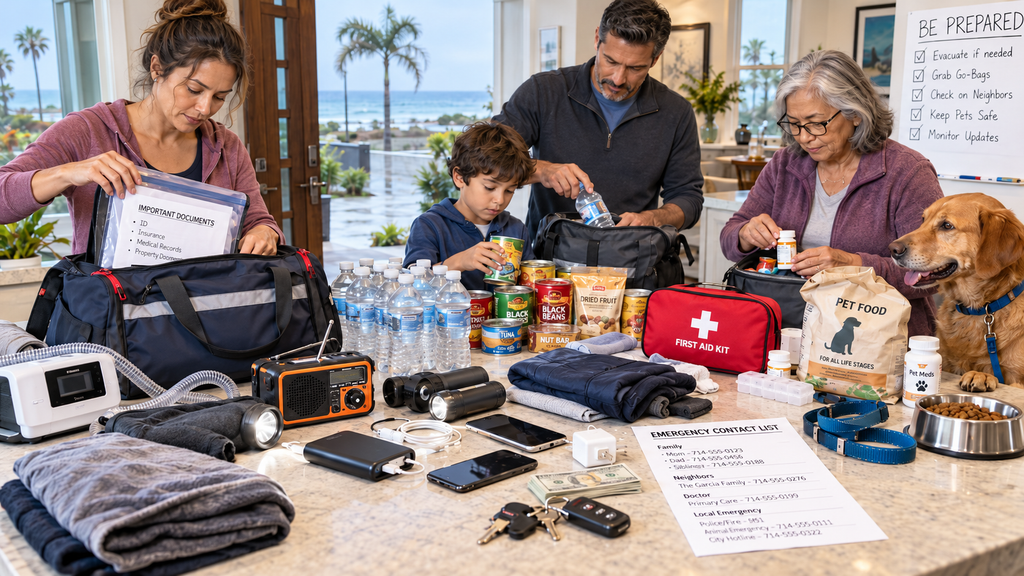
Families with children, older adults, or people who rely on medical equipment may need additional supplies.
Keep secure digital copies of insurance policies and important records.
Prepare for several days away from home if necessary.
7. Know When to Stop Protecting Your House
As flooding approaches, homeowners may want to keep moving furniture or placing sandbags.
But property protection should never delay evacuation.
When floodwater approaches:
- Follow official warnings and evacuation instructions.
- Keep children and pets away from water.
- Avoid garages and low-lying enclosed spaces.
- Stay away from wet electrical equipment.
- Never walk, swim, or drive through floodwater.
Floodwater can conceal damaged pavement, open drains, debris, and electrical hazards.
Ocean flooding may also contain sewage and other contaminants.
Follow National Weather Service alerts and local emergency announcements.
8. Understand Saltwater Damage
Saltwater can cause problems long after visible flooding disappears.
Corrosion may affect electrical connections, HVAC equipment, garage door motors, water heaters, pumps, vehicles, and metal structural components.
Pool and spa equipment may also suffer damage.
Equipment that appears dry may remain unsafe.
Document exposed systems and arrange qualified inspections before using them again.
9. Review Your Flood Insurance
Many homeowners assume standard homeowners insurance covers flooding.
Most policies exclude damage caused by rising floodwater, including ocean flooding.
Separate flood insurance may be needed.
The National Flood Insurance Program generally offers residential limits of:
- $250,000 for building coverage
- $100,000 for personal property coverage
Building and contents coverage are generally purchased separately and may have separate deductibles.
These limits may fall short of the rebuilding costs or contents value of some coastal Orange County homes.
Ask a licensed insurance professional about private flood insurance, excess coverage, deductibles, exclusions, and replacement-cost provisions.
Review FloodSmart.gov’s coverage information.
Can You Buy Insurance Immediately Before a Storm?
According to the National Flood Insurance Program (NFIP), newly purchased flood insurance policies generally have a 30-day waiting period before coverage takes effect. Certain exceptions may apply, including qualifying mortgage transactions, flood map changes, and specific post-wildfire circumstances.
Private flood insurance policies may have different waiting periods, coverage restrictions, and eligibility requirements.
Homeowners should not assume that purchasing a policy shortly before or during a storm will provide coverage for that event. Speak with a licensed insurance professional to confirm the applicable policy terms, effective date, exclusions, and available coverage.
10. Understand Flood Insurance Exclusions
Flood insurance doesn’t necessarily cover every loss.
Depending on the policy, exclusions or limitations may involve:
- Temporary housing expenses
- Vehicles
- Swimming pools
- Landscaping and outdoor improvements
- Certain below-grade belongings
- Seawalls, docks, and erosion-related damage
- Losses exceeding policy limits
Owners of waterfront properties should ask specifically about docks, boat lifts, retaining structures, and marine improvements.
Review the actual policy with an insurance professional.
11. Returning Home After Flooding
Important Recovery Notice: The following recovery information is not a complete assessment or repair procedure. Flood damage can involve concealed structural problems, electrical hazards, contamination, and insurance issues that may not be readily apparent. Before entering, inspecting, cleaning, or repairing a damaged property, follow applicable public safety instructions and seek guidance from qualified professionals. Homeowners should also independently verify insurance requirements, contractor qualifications, and permit obligations before making decisions.
Dealing with flood damage? You may find my FREE, printable After Coastal Flood Damage Checklist helpful for keeping track of inspections, insurance conversations, documentation, and repair-related decisions.
Do not enter a flooded property until authorities indicate access is safe.
Look for structural damage, exposed wiring, broken glass, unstable surfaces, and gas leaks.
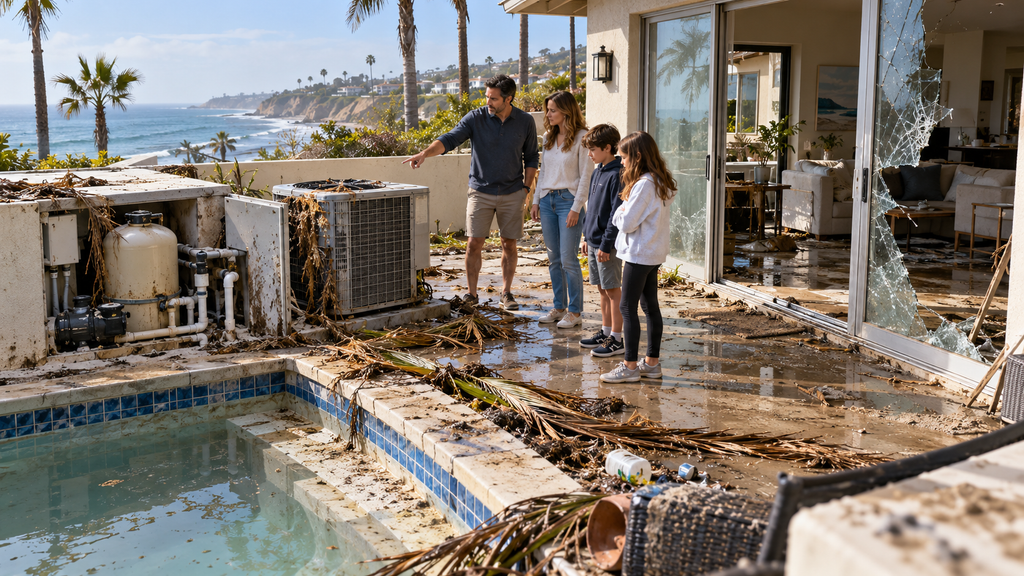
If you smell gas, leave immediately and contact the utility or emergency services.
Once entry is safe:
- Photograph and video damage before cleanup.
- Record waterlines and affected rooms.
- Contact your insurer promptly.
- Document damaged belongings and appliances.
- Save receipts for emergency expenses.
- Keep claim numbers and conversation records.
- Ask about documentation before discarding damaged items.
Do not operate flood-exposed electrical equipment.
Review the NFIP flood claims process.
12. Reduce Water Damage and Mold
Floodwater can soak drywall, insulation, flooring, cabinetry, and furniture.
The CDC recommends drying affected areas and belongings promptly, ideally within 24 to 48 hours when conditions permit.
Professional restoration may involve water extraction, removing contaminated materials, drying equipment, and moisture testing.
Wear appropriate protective equipment.
People with asthma, weakened immune systems, or conditions increasing their risk from mold exposure should avoid mold cleanup.
Never operate electrical drying equipment until the electrical system is safe.
Portable generators belong outdoors, away from doors, windows, and vents.
13. Watch for Hidden Saltwater Damage
A home may appear dry while moisture or corrosion remains concealed.
After saltwater intrusion, consider professional inspections of:
- Electrical panels and wiring
- HVAC equipment and ductwork
- Insulation and wall cavities
- Subfloors and cabinetry
- Garage door equipment
- Pool and spa systems
- Metal connectors and fasteners
- Crawlspaces and enclosed areas
Keep inspection reports, photographs, estimates, and repair invoices.
Check local permit requirements before major repairs.
14. Waterfront Homes May Need Additional Inspections
Homes along Newport Harbor, Balboa Island, Lido Isle, and other waterfront areas may face concerns beyond interior water damage.
Depending on the property, inspections may involve:
- Seawalls and bulkheads
- Dock connections and pilings
- Gangways and boat lifts
- Shoreline drainage outlets
- Concrete cracking or displacement
- Soil movement behind retaining structures
- Electrical service to docks
Qualified marine contractors or structural engineers may be needed.
A general home inspection may not fully evaluate waterfront structures.
Check whether repairs require approval from Newport Beach, the California Coastal Commission, or other agencies.
A seawall inspection is not automatically required after every flood. Requirements depend on the property, damage, and proposed work.
15. Prepare for the Next Flood
After immediate conditions improve, review how your home performed.
Ask yourself:
- Where did water enter or approach?
- Did drains and temporary barriers work?
- Were vehicles and valuables protected?
- Could everyone evacuate quickly?
- Were emergency supplies accessible?
- Was insurance coverage adequate?
- Could permanent flood barriers or drainage improvements help?
- Should vulnerable equipment be relocated?
Keep photographs, inspection reports, and repair records.
These documents may help with future maintenance, insurance discussions, and property disclosures when selling.
Two Coastal Flooding Checklists for Homeowners
For convenience, use these two separate resources:
Before & During Coastal Flooding: Property preparation, emergency supplies, insurance documents, evacuation planning, and immediate safety precautions.
After Coastal Flooding Damages Your Home: Safe reentry, insurance claims, damage documentation, electrical inspections, drying, saltwater exposure, and repairs.
Keep both available digitally or in printed form with your household emergency information.
Official Resources for Orange County Homeowners
- City of Newport Beach
- National Weather Service San Diego
- NOAA Tides and Currents
- FEMA Flood Map Service Center
- Ready.gov Flood Preparedness
- National Flood Insurance Program
- California Department of Insurance
For life-threatening emergencies, call 911.
Protecting Your Family Starts Before Water Reaches the Street
The October 2026 flooding in Newport Beach gives homeowners a reason to review their emergency plans and property protection measures.
A home doesn’t need to sit directly on the sand to experience coastal flooding.
Understanding your property’s exposure, reviewing insurance, protecting vulnerable equipment, and preparing an evacuation plan may help reduce damage and improve your household’s response.
Decide what to protect, what to take, and where to go before floodwater reaches your street.
Your Home Deserves Careful Attention, Before and After a Storm
Coastal flooding is one of many concerns homeowners may face in Newport Beach and throughout Orange County. Whether you’re protecting a home you’ve enjoyed for years, evaluating repairs after a storm, or thinking about selling, understanding your property’s condition can help you consider your next steps.
As a full-time real estate broker with more than 21 years of experience, I work with homeowners throughout Irvine, Newport Beach, Newport Coast, and surrounding Orange County communities. I understand that decisions about a home often involve much more than its market value.
If you’re considering selling your home, I would welcome the opportunity to talk with you. We can discuss your property’s condition, current market considerations, potential buyer concerns, and what may be worth addressing before putting your home on the market.
My approach includes personal attention, clear communication, thoughtful pricing and preparation, and modern marketing that includes custom property videos, social media exposure, and other ways of introducing homes to potential buyers.
Tony Babarino
Irvine Real Estate Broker | REAL Broker
California DRE#01717758
Serving Irvine, Newport Beach, Newport Coast, and surrounding Orange County communities
Call or Text (949) 633-6741

Frequently Asked Questions
Can a Newport Beach home flood if it isn’t on the beach?
Yes. Ocean water can travel through streets and low-lying neighborhoods, reaching properties away from the shoreline.
Does homeowners insurance cover ocean flooding?
Most standard homeowners policies exclude rising floodwater. Separate flood insurance is generally necessary, subject to policy terms.
Are sandbags enough to protect a coastal home?
Sandbags may redirect shallow water but cannot reliably withstand powerful waves or major flooding.
How quickly should a flooded house be dried?
Begin safe drying promptly, ideally within 24 to 48 hours when conditions permit. Extensive or contaminated flooding may require professional restoration.
Should a seawall be inspected after a storm?
An inspection may be appropriate if cracking, movement, erosion, settlement, or other damage is suspected. Consult a qualified marine or structural professional.
Can flood insurance be purchased when a storm is approaching?
A policy may be available, but NFIP coverage generally has a 30-day waiting period, with certain exceptions. Private policy terms vary.
Disclaimer: This article is provided for general educational and informational purposes only. It is not intended to be a complete or exhaustive guide to coastal flooding, emergency preparation, evacuation, property damage, insurance coverage, inspections, or repairs. The information may not apply to every property or circumstance and should not be relied upon as a substitute for independent research, current government guidance, or advice from qualified professionals.
Tony Babarino is a California real estate broker and is not acting in this article as an emergency management official, engineer, contractor, home inspector, insurance professional, attorney, or other technical specialist. Property conditions, safety risks, coverage, legal requirements, and recommended actions may vary. Readers should consult the appropriate public agencies and licensed professionals before making decisions. In an emergency, follow official instructions and contact emergency services when necessary.
If your property is currently listed or you are represented by another real estate broker, this article is not intended as a solicitation.
Want more Irvine real estate insights, helpful homeowner tips, and original videos in your Google experience? Add TonyBabarino.com as a Preferred Source.




Add comment