

A 15-year-old luxury home may still have attractive architectural details, quality finishes, and well-maintained outdoor spaces. Yet behind those finishes, major home systems may be reaching an age when additional inspections, repairs, upgrades, or eventual replacement become worth considering.
I call this the “15-Year Problem.”
It isn’t an expiration date. A home’s systems don’t automatically fail after 15 years. However, HVAC equipment, plumbing components, waterproofing, electronics, and other features installed around the same time may begin requiring attention during overlapping periods.
In a larger Irvine luxury home, several systems may require maintenance or repairs within a similar period. Homes with multiple HVAC units, extensive plumbing, swimming pools, smart-home technology, motorized doors or shades, irrigation systems, and outdoor amenities may have more equipment to monitor and maintain. Understanding the age and condition of these components can help homeowners anticipate potential expenses and plan future improvements.
Written by Tony Babarino, Irvine Real Estate Broker with REAL Broker, serving Irvine, Newport Beach, and surrounding Orange County communities. DRE#01717758.
8 Home Systems Worth Reviewing Around the 15-Year Mark
In a larger Irvine home, the following systems and components may warrant closer inspection, maintenance, repairs, or upgrades as they age. Their condition and remaining service life depend on factors such as installation quality, usage, exposure, and previous maintenance.
- HVAC systems — especially when a home has multiple units or climate zones.
- Water heaters and plumbing — including recirculation systems, supply lines, filtration and leak detection.
- Roofing and waterproofing — including flashing, underlayment, balconies, decks and exterior transitions.
- Windows and large glass doors — including seals, rollers, tracks, weather stripping and hardware.
- Smart-home technology — including lighting controls, networking, security, audio and motorized systems.
- Pool, spa and outdoor equipment — including pumps, heaters, automation, valves and water features.
- Irrigation and mature landscaping systems — including valves, drip lines, controllers, drainage and overspray.
- Electrical systems and capacity — particularly when adding EV charging, solar, batteries or other substantial electrical loads.
These systems do not share a fixed replacement schedule. However, components installed around the same time may develop maintenance or repair needs during overlapping periods. Reviewing their individual condition and service history can help homeowners identify which items deserve attention first.
What the “15-Year Problem” Really Means
Think of 15 years as a checkpoint for reviewing the condition of a home’s major systems.
Some equipment may remain functional for many more years, while other components may need attention sooner. Installation quality, usage, exposure, maintenance history, and operating conditions can all affect service life.
There are practical reasons to pay closer attention during this stage of homeownership.
For example, ENERGY STAR recommends considering replacement when an air conditioner or heat pump is more than 10 years old, or when a furnace or boiler is more than 15 years old. Frequent repairs, rising energy costs, and rooms that are difficult to heat or cool are additional reasons to have the equipment evaluated.
These recommendations do not mean that functioning HVAC equipment must be replaced solely because of its age.
In a larger Irvine luxury home, several unrelated systems may reach similar stages of maintenance, repair, or replacement planning around the same time. Each should be evaluated individually because its age does not necessarily reflect its current condition.
Let’s look at the eight areas where homeowners may benefit from closer attention.
1. Multiple HVAC Systems May Need Attention at Different Times
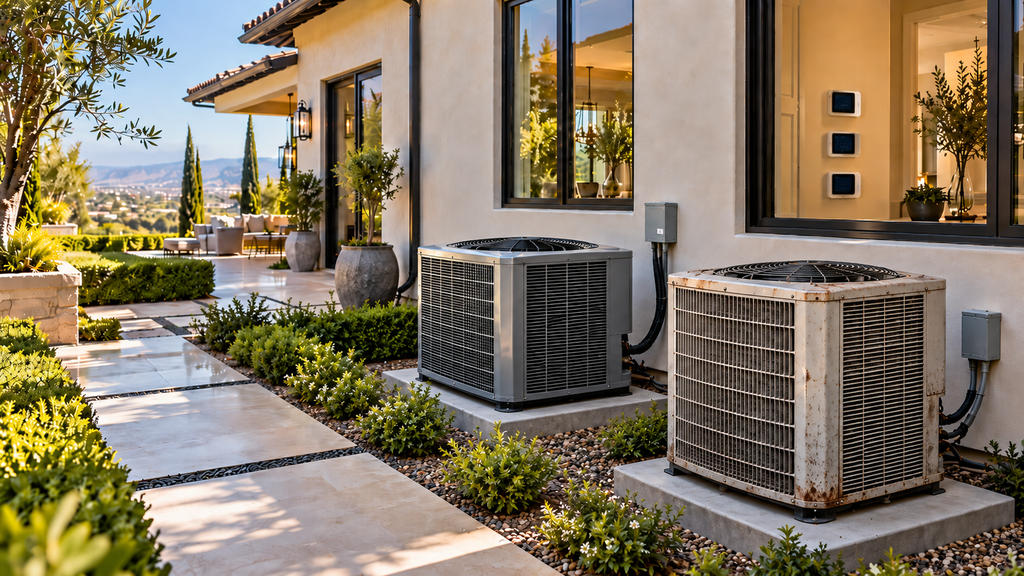
Larger Irvine luxury homes may have two or more heating and cooling systems, sometimes serving separate floors or climate zones. These installations can also include smart thermostats, motorized dampers, and extensive ductwork.
Even when the equipment was installed at the same time, individual systems may age differently depending on usage, maintenance, and operating conditions.
Homeowners may want to review:
- Equipment age: When each heating and cooling system was installed or last replaced
- Service history: Previous repairs, maintenance records, and recurring problems
- Comfort issues: Rooms that are consistently difficult to heat or cool
- Operating changes: Unusual noises, short cycling, or declining performance
- Previous upgrades: Whether some systems have been replaced while others remain original
As ENERGY STAR explains in its heating and cooling guidance, uneven temperatures and comfort problems can involve ductwork, insulation, equipment performance, or other conditions. Replacing an HVAC unit may not resolve the underlying issue.
A qualified HVAC professional can assess the equipment and help determine whether maintenance, repairs, or replacement should be considered.d.
2. Water Heaters and Plumbing Deserve Attention
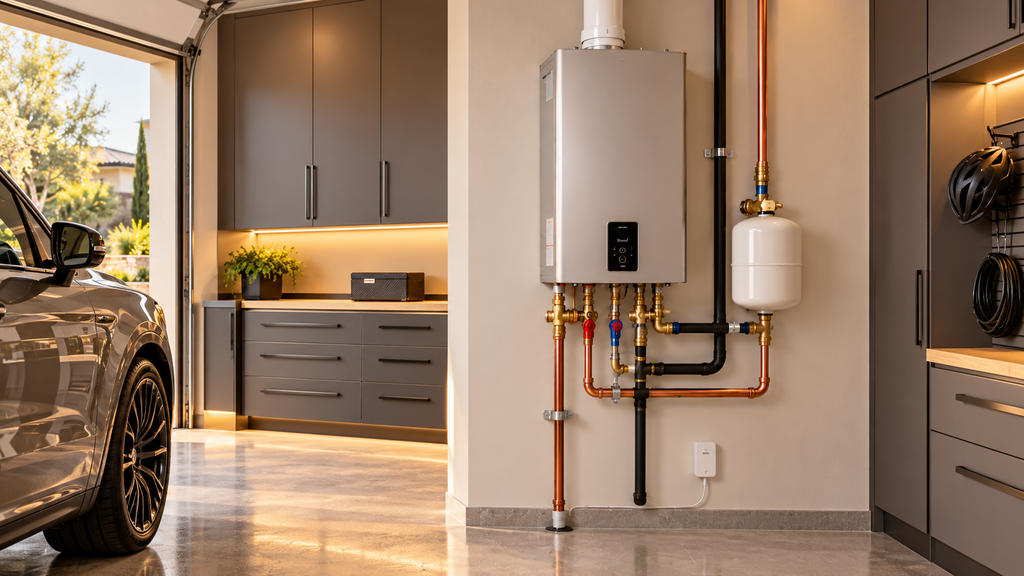
Water leaks can damage flooring, cabinetry, drywall, and personal belongings, sometimes before the source of the problem becomes obvious. In a larger Irvine luxury home, extensive plumbing systems and multiple water-using appliances can create additional areas to monitor.
The EPA WaterSense home-maintenance guidance recommends checking regularly for leaks and maintaining water-heating equipment. Depending on the water heater type and manufacturer’s instructions, maintenance may include inspecting connections, checking for corrosion, flushing applicable storage tanks to reduce sediment, or servicing tankless equipment.
Luxury homes may also contain plumbing components beyond those found in smaller properties, including:
- Multiple water heaters or tankless systems
- Hot-water recirculation systems
- Water filtration and softening equipment
- Additional bathrooms and upper-floor laundry rooms
- Outdoor kitchens, pool-related plumbing, and other water connections
For properties with extensive plumbing, leak-detection and flow-monitoring systems may be worth considering. Depending on the equipment, these devices can detect unexpected moisture, identify unusual water-use patterns, or activate an automatic water shutoff valve.
These systems may help homeowners identify certain plumbing problems earlier, but they cannot detect every type of leak or guarantee that water damage will be prevented. A qualified plumbing professional can help evaluate the home’s existing equipment and determine whether additional monitoring would be useful.
3. Roofs and Waterproofing Can Develop Problems That Aren’t Easily Visible

A roof consists of more than the tiles, shingles, or other materials visible from the street. Depending on its design, the roofing system may also include underlayment, flashing, sealants, drainage components, and waterproofing around roof penetrations.
Larger Irvine luxury homes may have additional areas requiring attention, including balconies, elevated decks, courtyards, planter areas, exterior stairs, and transitions around large doors and windows. These features can introduce more locations where water intrusion may develop.
According to the National Roofing Contractors Association (NRCA), periodic roof inspections and maintenance can help identify potential problems. A qualified roofing professional can evaluate conditions that may not be apparent from a ground-level inspection.
Homeowners may want to review:
- Roof age: When the roof and applicable underlayment were installed or last replaced
- Previous repairs: Records of leaks, flashing repairs, or waterproofing work
- Drainage: Gutters, roof drains, scuppers, and areas where water may collect
- Balconies and decks: Signs of deteriorated waterproofing, staining, or moisture intrusion
- Exterior transitions: Flashing and sealant conditions around skylights, windows, doors, and roof penetrations
There is no single age at which every roof needs replacement. Materials, installation quality, exposure, maintenance history, and the condition of concealed components can all affect how long a roofing system remains serviceable.
Rather than relying on age alone, homeowners may benefit from a property-specific evaluation when warning signs appear or when planning significant repairs or improvements.
4. Large Windows and Glass Doors Have Components That Can Wear Out

Indoor-outdoor living is common in higher-end Southern California homes, and large sliding or folding Large sliding and folding glass doors are common features in Irvine and Newport Beach luxury homes. These systems may include heavy glass panels, rollers, tracks, seals, locks, and specialized hardware that require maintenance or adjustment over time.
Depending on the age, design, and condition of the installation, homeowners may encounter:
- Worn rollers: Doors that become difficult to slide or require additional force to operate
- Track problems: Debris, wear, or damage that interferes with smooth movement
- Deteriorated weatherstripping: Gaps that may allow drafts or moisture intrusion
- Alignment issues: Panels that no longer close or seal properly
- Fogging between glass panes: A possible indication of insulated-glass seal failure
- Aging exterior sealants: Caulking or waterproofing around frames that may need attention
- Motorized components: Problems with automated doors, shades, or related controls
Not every problem requires replacing an entire window or door assembly. Depending on the manufacturer and the condition of the components, adjustments, repairs, or replacement parts may be available. Specialized large-format glass systems may require technicians familiar with the specific equipment.
Before making changes, homeowners should also check applicable permit and HOA requirements. According to the City of Irvine’s residential permit information, replacing windows within the same opening is among certain minor projects that do not require a building permit. However, enlarging openings, making structural changes, or performing other alterations may involve additional requirements.
Even when a building permit is not required, the work must comply with applicable building standards and any relevant homeowners association restrictions.
5. Smart-Home Technology Can Age Differently From the House

SA luxury home’s stonework, cabinetry, and architectural features may remain functional for decades. Its connected technology, however, may face different maintenance and replacement concerns.
An Irvine home built or extensively remodeled 10 to 15 years ago may contain lighting controls, security cameras, whole-home audio, motorized shades, smart thermostats, networking equipment, touchscreens, automated gates, and other connected systems.
Some equipment may continue functioning mechanically while its software, mobile applications, network compatibility, or manufacturer support changes.
The Federal Trade Commission (FTC) has warned that manufacturers do not always make it easy for consumers to determine how long connected devices will receive software updates. When support ends, some devices may lose features or become more vulnerable to security problems.
Homeowners may want to maintain records of:
- Manufacturer and model: Identification details for installed devices and control systems
- Installation dates: Approximate age of the hardware and major upgrades
- Installer information: Contact details for companies familiar with the system
- Equipment locations: Where controllers, hubs, network components, and related hardware are installed
- Manuals and documentation: Operating instructions, warranty information, and available service records
- Software support: Information about firmware updates, subscriptions, and manufacturer support
- Future ownership: Which equipment is expected to remain with the property and what a future owner may need to operate it
Before selling a home with connected technology, owners should also consider how accounts, access permissions, and personal information will be handled. The FTC’s smart-home selling guidance recommends documenting connected devices, removing personal information, and resetting appropriate equipment so new owners can establish their own accounts.
For a more detailed discussion, read my article, Selling Your Smart Home: Tips to Transfer Digital Systems to Buyers.
6. Pool, Spa and Outdoor Equipment May Age at Different Rates
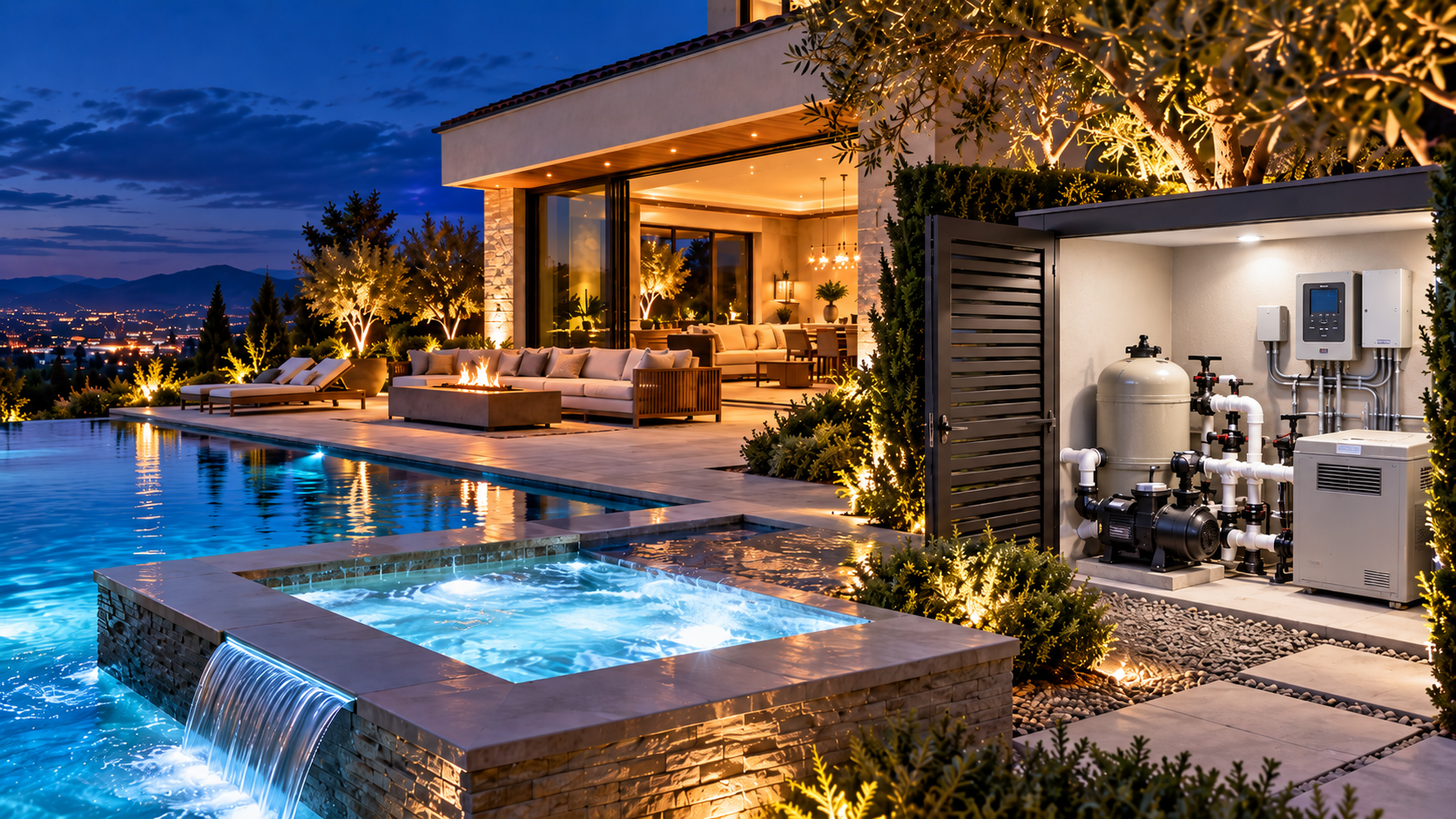
A swimming pool or spa includes several mechanical, electrical, and plumbing components that may require maintenance or replacement at different times.
Depending on the property, these components may include:
- Pumps and motors: Equipment that circulates water through the pool or spa
- Filters: Components that remove particles and debris from the water
- Heaters: Gas or electric equipment used to heat pool or spa water
- Automation systems: Controllers, sensors, and equipment that manage operating schedules and functions
- Valves and actuators: Components that direct water through different parts of the system
- Lighting and water features: Underwater lights, fountains, waterfalls, and related equipment
- Sanitizing equipment: Chlorine generators, chemical feeders, and other water-treatment systems
A pool may be 15 years old while its pump was replaced five years ago and its heater remains original. Reviewing the installation date, maintenance history, and current condition of each component can provide a more useful picture of possible repair or replacement needs.
The same considerations apply to outdoor kitchens, fountains, landscape lighting, automated gates, and other exterior equipment.
For homeowners with pools and spas, the U.S. Department of Energy’s pool heating and maintenance guidance provides additional information about equipment efficiency and operating costs.
A qualified pool or spa professional can evaluate aging equipment, identify maintenance concerns, and explain which components may warrant repairs or replacement. Equipment age alone does not establish that a component is defective.
7. Mature Landscaping Can Conceal Irrigation and Drainage Problems
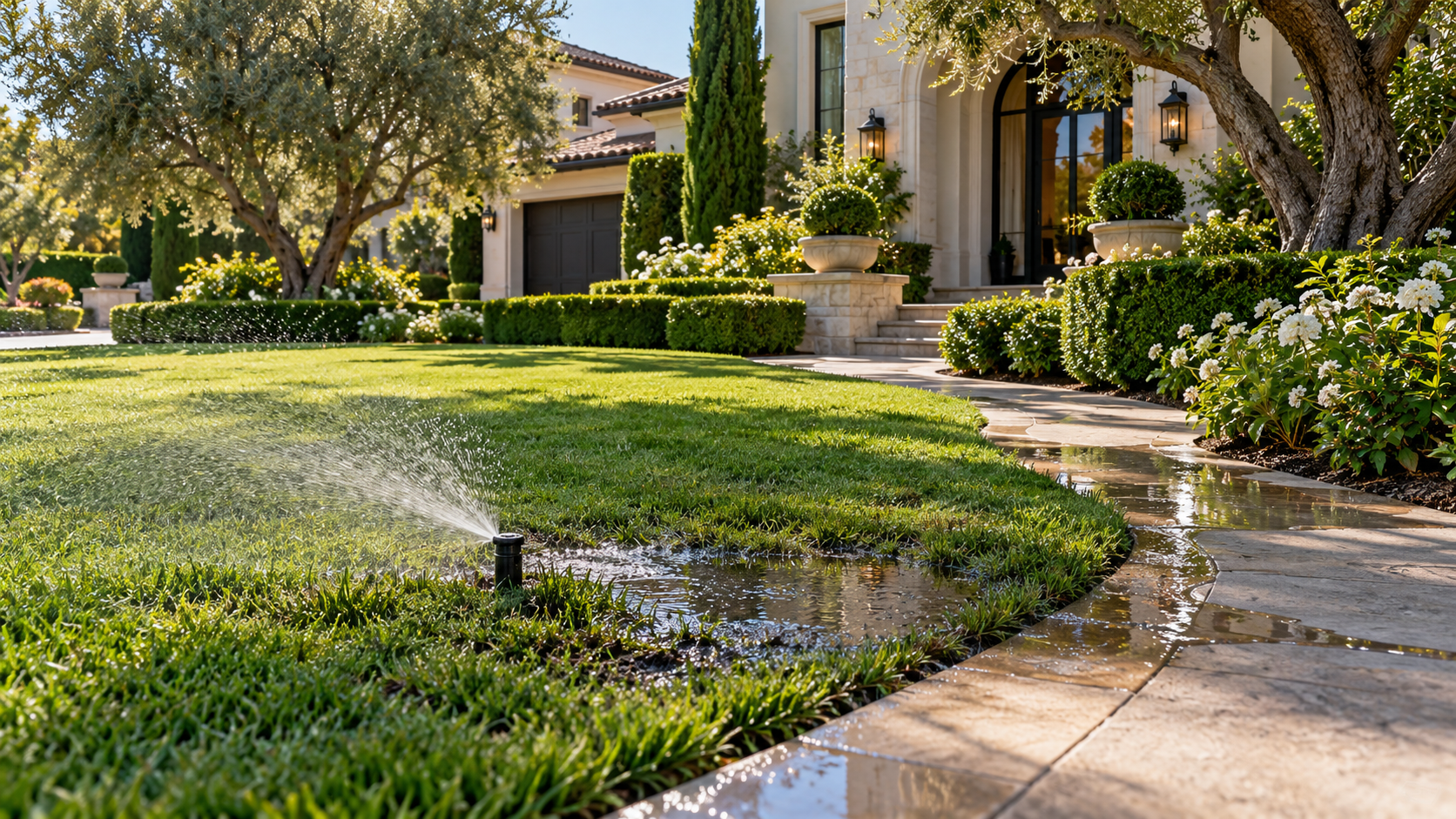
Established landscaping can add visual appeal to an Irvine luxury home. However, irrigation components may develop leaks, deteriorate, or require adjustments as plants mature and their watering needs change.
The EPA WaterSense program recommends periodically inspecting irrigation systems for leaks, broken sprinkler heads, and other problems that may waste water.
For larger properties with multiple irrigation zones, homeowners may want to check for:
- Hidden leaks: Unusually wet soil, soft ground, or unexplained increases in water usage
- Broken sprinkler heads: Water spraying in unintended directions or pooling near landscaping
- Overspray: Irrigation water repeatedly reaching exterior walls, windows, walkways, or other hard surfaces
- Clogged or damaged drip lines: Areas receiving too much or too little water
- Drainage problems: Standing water, runoff, or moisture collecting near the home
- Controller settings: Watering schedules that no longer match seasonal conditions or landscaping needs
Occasionally observing each irrigation zone while it operates may reveal problems that are difficult to notice when the system runs automatically.
Water collecting near foundations, retaining walls, or other structural components deserves attention because prolonged moisture exposure may contribute to deterioration.
A qualified irrigation, drainage, or landscaping professional can evaluate the system and recommend repairs or adjustments based on the property’s specific conditions.
8. Your Home’s Electrical Needs May Have Changed Over 15 Years
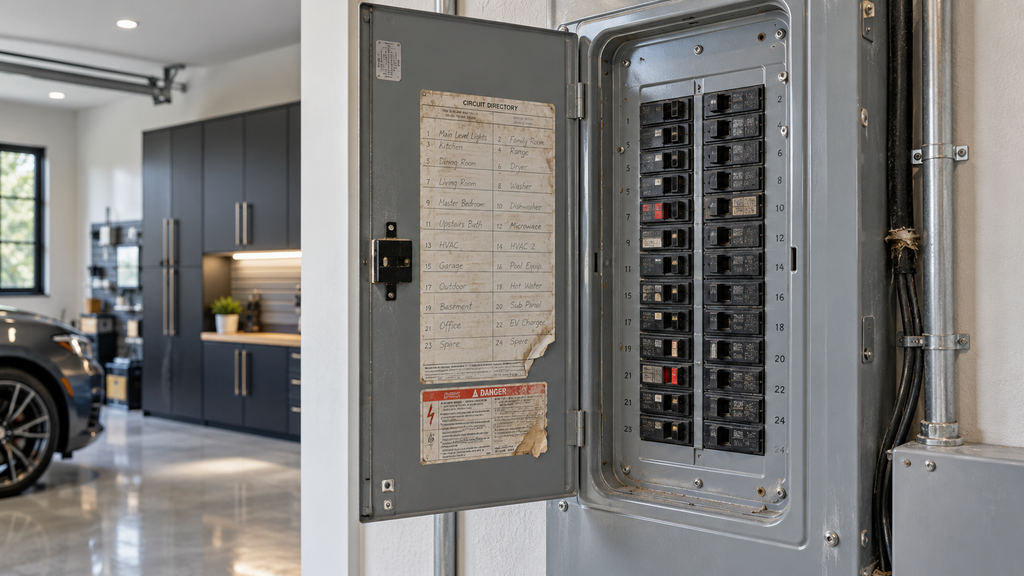
An Irvine luxury home built or extensively remodeled 15 years ago may now support electrical equipment that was not part of its original design. Changes in technology, household activities, and energy use can affect how much electrical capacity a property needs.
Common additions may include:
- Electric vehicle charging: Dedicated charging equipment for one or more vehicles
- Solar and battery systems: Rooftop solar panels, energy storage, and related electrical equipment
- Additional refrigeration: Wine refrigerators, beverage centers, freezers, and other appliances
- Home technology: Networking equipment, security systems, entertainment systems, and home offices
- Outdoor amenities: Electric patio heaters, landscape lighting, and outdoor kitchens
- Pool and spa equipment: Pumps, heaters, automation systems, and related components
- Heating and cooling upgrades: Additional HVAC equipment or changes to existing systems
Adding electrical equipment does not automatically mean a home’s main panel must be replaced. A qualified electrician can evaluate the available electrical capacity, existing circuits, equipment condition, and the anticipated loads before recommending modifications.
The U.S. Department of Energy’s guidance on home EV charging explains that charging equipment and installation requirements vary depending on the charger and the home’s electrical system.
Before planning electrical upgrades, homeowners should also review the City of Irvine’s residential permit information for applicable requirements involving electrical service changes and EV charging installations.
A licensed electrical contractor can help determine whether the existing system can support proposed improvements or whether additional electrical work may be necessary.
Irvine Homeowners Should Check Permit and HOA Requirements Before Making Changes
Replacing aging equipment or updating a luxury home may involve more than hiring a contractor. Depending on the project, homeowners may need permits, inspections, and approval from their homeowners association.
The City of Irvine’s residential permit information addresses projects such as water heater replacement, residential reroofing, air-conditioning replacement, water-supply repiping, electrical panel upgrades, and electric vehicle charging equipment.
Not every home improvement requires a building permit. Requirements can depend on the type of work, whether equipment is being replaced in the same location, and whether structural, plumbing, mechanical, or electrical modifications are involved.
Homeowners should also review their association’s architectural guidelines before beginning applicable improvements. In communities such as Turtle Rock, Turtle Ridge, Shady Canyon, Orchard Hills, and Northwood Pointe, certain exterior changes may require HOA approval even when a City building permit is not necessary.
Before ordering custom windows, relocating HVAC equipment, changing exterior finishes, or beginning other significant work, it may be helpful to:
- Confirm permit requirements: Check with the City of Irvine about applicable permits and inspections.
- Review HOA guidelines: Determine whether architectural approval is necessary before construction begins.
- Verify contractor qualifications: Confirm appropriate licensing and insurance for the proposed work.
- Keep documentation: Retain approved plans, permits, inspection records, warranties, and contractor invoices.
Important 2026 permit update: Beginning September 14, 2026, Irvine moved new online applications for permits that do not require plan review to PermitsDIRECT!. The City of Irvine’s permitting portal continues to provide information about existing permits, plan checks, and inspection requests.
Because permitting procedures and HOA requirements may change, homeowners should confirm the current rules with the City and their association before beginning work.
Create a Home Systems Record Before You Need It
Keeping records of your home’s major systems can make future maintenance, repairs, and replacement planning easier. This may be particularly useful in larger Irvine luxury homes, where equipment can be installed, serviced, or upgraded at different times.
Consider creating a digital folder or spreadsheet containing the following information for each major system:
- Manufacturer and model: Equipment identification and serial numbers
- Installation date: When the equipment was installed or last replaced
- Maintenance history: Dates of routine inspections and servicing
- Contractor information: Names and contact details of companies that performed the work
- Warranty documents: Available warranties and their terms
- Permit records: Permits and final inspection documentation, when applicable
- Repair history: Problems identified and work already completed
- Equipment condition: Known issues or changes in performance
- Future maintenance: Items worth monitoring or scheduling for professional evaluation
Photograph equipment labels and retain invoices, manuals, warranty information, and relevant inspection reports. Keeping these records together may make it easier to identify which systems need attention and provide useful background when discussing the property with prospective buyers.
For additional home maintenance ideas throughout the year, see my article, The Sweet Home Maintenance Checklist for Every Season.on.
Thinking About Selling? Don’t Assume Every Older System Needs Replacement
A 15-year-old HVAC unit, water heater, or other major component is not necessarily defective simply because of its age.
Replacing every aging system before listing an Irvine luxury home could involve substantial expenses, and some improvements may not be necessary or may not align with a future buyer’s preferences.
Before deciding what to repair or replace, homeowners may want to:
- Review equipment condition: Identify components with known problems, recurring repairs, or declining performance.
- Gather maintenance records: Locate service invoices, warranties, installation dates, and previous inspection reports.
- Consider professional evaluations: Have qualified professionals assess systems that show signs of trouble or raise specific concerns.
- Review disclosures: Consider how known defects, previous repairs, and relevant property conditions should be addressed in California’s seller disclosure process.
- Evaluate proposed improvements: Consider the cost, timing, and potential buyer concerns before committing to major replacements.
During a sale, buyers may ask about the age and condition of HVAC equipment, roofing, water heaters, plumbing, electrical systems, and other major components. Accurate records and professional evaluations can provide useful information for those discussions, although they do not eliminate inspection concerns or disclosure obligations.
As an Irvine Real Estate Broker, I can help homeowners consider these issues from a buyer’s perspective and discuss which items may deserve attention before listing. Property-specific technical questions should be evaluated by appropriately qualified professionals.
For more information about preparing and marketing your home, visit my Irvine and Orange County Home Selling Guide.
Fifteen Years Is a Checkpoint, Not an Expiration Date
A luxury home doesn’t suddenly become outdated or require major renovations when it reaches 15 years of age. However, this can be a useful time to review major systems, particularly when several components were installed around the same period.
Understanding the age, condition, and maintenance history of HVAC equipment, plumbing, roofing, electrical systems, and other features may help homeowners plan future repairs and improvements.
For Irvine luxury homeowners considering a sale, that information may also help identify questions buyers could raise about the property’s condition. Decisions about repairs or replacements should be based on the individual system, professional evaluations when appropriate, and the homeowner’s circumstances rather than an arbitrary age threshold.
For Irvine luxury homeowners considering a sale, understanding the condition of major home systems can be an important part of preparing the property for buyers. Reviewing maintenance records, addressing known concerns, and considering professional evaluations where appropriate may help answer questions about the home’s age and condition. Once those preparations are underway, how the property is presented and marketed deserves attention as well.
As an Irvine Real Estate Broker and REALTOR® serving Irvine and surrounding Orange County communities, I use modern marketing methods, including custom video and social media reach, to help my sellers’ homes attract more attention.
Rather than relying only on buyers finding your listing, I work to put your home in front of potential buyers where they’re already spending time: on social media, watching videos, and browsing online from their phones, tablets, televisions, and computers. This includes people who may be considering a move but haven’t started actively searching for a home.
Sometimes, seeing the right home at the right time is enough to turn someone’s curiosity into genuine interest.
I don’t just wait for buyers to find your home. I help potential buyers discover it.
Tony Babarino
Irvine Real Estate Broker | REAL Broker
California DRE#01717758
Call/Text: (949) 633-6741

Disclaimer: This article is for general informational and real estate educational purposes only. It is not a property inspection, construction, engineering, electrical, plumbing, HVAC, roofing, legal, HOA, insurance, safety, code or other professional determination. Conditions, equipment life, permit requirements, association rules, repair needs and appropriate solutions vary by property and may change over time. Homeowners should consult the applicable governmental authority, homeowners association, manufacturer and appropriately qualified or licensed professional for property-specific guidance.
Want more Irvine real estate insights, helpful homeowner tips, and original videos in your Google experience? Add TonyBabarino.com as a Preferred Source.




Add comment