
Landscape and hardscape work best as a team. Landscaping brings the living parts of a yard—trees, shrubs, lawn, groundcover, and planting beds—while hardscaping creates the structure through patios, walkways, walls, steps, decks, and other built features. One softens and shades the property; the other helps people move through it and use it.
The real question is not whether landscaping or hardscaping is better. It is how much of each makes sense for the way you live, the amount of maintenance you want, the local climate, drainage, HOA rules, and the character of the home. In Irvine and much of Orange County, that balance also needs to account for summer heat and the ongoing cost of outdoor water.
Written by Tony Babarino, Irvine Real Estate Broker with REAL Broker, serving Irvine, Newport Beach, and surrounding Orange County communities. DRE#01717758.
What Is the Difference Between Landscape and Hardscape?
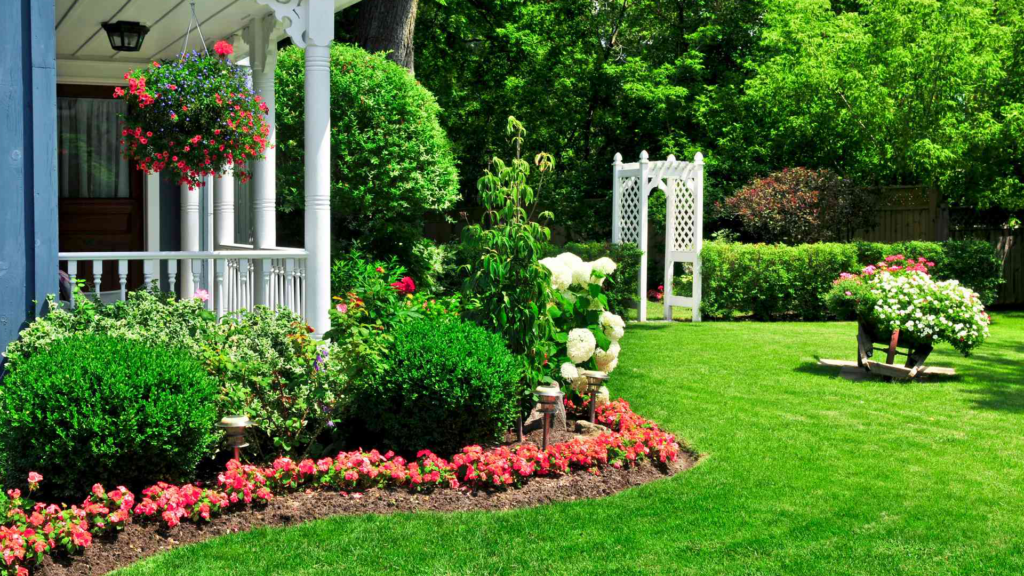
Landscaping, sometimes called softscape, consists of living or organic elements. Common examples include trees, hedges, flowers, succulents, lawn, mulch, and vegetable gardens. These features can add shade, seasonal color, privacy, and a visual connection between the home and its setting.
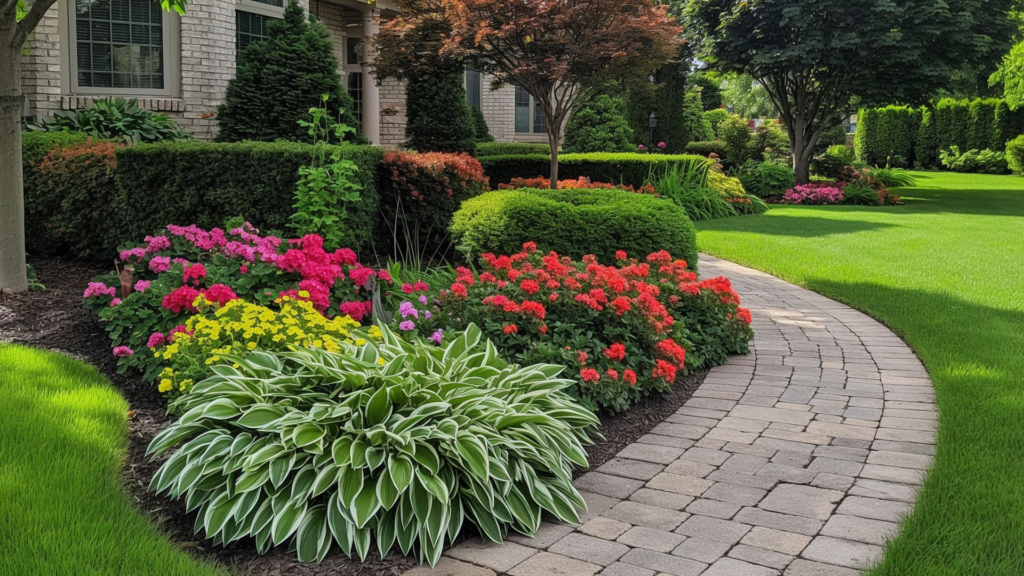
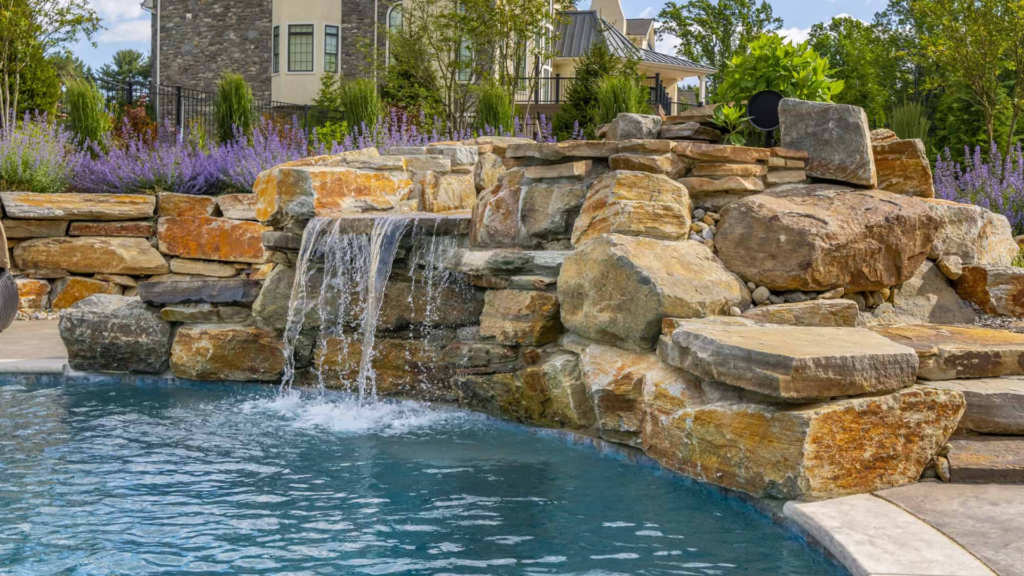
Hardscaping consists of the nonliving features that organize an outdoor area. Patios, pavers, paths, retaining walls, built-in planters, fences, pergolas, and outdoor kitchens are common examples. Hardscape can create defined areas for dining, entertaining, play, or access, but every permanent feature also affects drainage, heat, circulation, and future maintenance.
A successful yard usually has enough hardscape to make the space usable and enough planting to keep it from feeling hot, stark, or unfinished. The best ratio is property-specific. A compact Irvine courtyard may need a very different plan than a larger Turtle Rock backyard, a Newport Coast view property, or a home with a pool.
Five Questions to Answer Before Changing the Yard
-
How do you genuinely want to use the space?
Start with activities, not materials. Decide whether the priority is outdoor dining, children’s play, gardening, entertaining, pets, privacy, quiet relaxation, or easier access. A beautiful patio that is too exposed to afternoon sun may receive less use than a smaller shaded seating area. -
How much maintenance and water do you want to manage?
Plants need irrigation, pruning, and replacement. Hardscape needs cleaning and may require joint, drainage, or surface repairs. “Low maintenance” should mean a manageable combination—not a yard with no living material and no upkeep. -
Where will water go?
New paving can change how rain and irrigation move across a property. Before covering more soil, evaluate grading, drains, downspouts, nearby walls, and adjoining properties with an appropriately qualified professional. -
What approvals or permits may apply?
An HOA may regulate plants, trees, walls, fences, exterior finishes, and visible structures. City requirements can also apply to retaining walls, patio covers, electrical work, gas lines, plumbing, and other improvements. Check before ordering materials or beginning demolition. -
Will the design make sense to a future buyer?
You should enjoy your home now, but highly specialized or maintenance-heavy improvements may not appeal to everyone. Flexible seating, clear pathways, healthy plants, shade, and a coherent design are generally easier for buyers to understand than a crowded collection of unrelated features.
Plan Hardscape Around Function, Drainage, and Heat
Hardscape is most useful when it solves a practical problem. A path can create a clear route from the driveway to the backyard. A patio can make room for a dining table. A retaining wall may help manage a grade when it is properly designed for the specific site. A pergola or other shade structure may make a sunny area more comfortable.
More hardscape is not automatically better. Large areas of conventional concrete or dark masonry can absorb heat and reduce the amount of soil available for planting and water infiltration. The material, color, orientation, and surrounding shade all influence how the finished area feels.
Permeable materials may be worth discussing when drainage and site conditions allow. The U.S. Environmental Protection Agency explains that permeable pavement can allow water to pass through the surface into underlying soil and gravel, which may reduce runoff. That does not make permeable paving appropriate for every location; soil, slope, installation, and maintenance still matter.
Before adding a patio, wall, or built-in feature, think through furniture dimensions, walking clearance, door swings, grill placement, and the path between the kitchen and outdoor dining area. Marking the proposed layout with painter’s tape, stakes, or temporary furniture can reveal whether a plan looks good on paper but feels cramped in real life.
Outdoor lighting can also change how hardscape functions after sunset. Instead of flooding the entire yard with bright light, consider layers: path lighting for movement, task lighting where people cook or dine, and restrained accent lighting for selected architectural or planting features. For more detail, see The Secret Power of Outdoor Lighting and Bistro Lighting Can Transform Outdoor Living Space at Home.
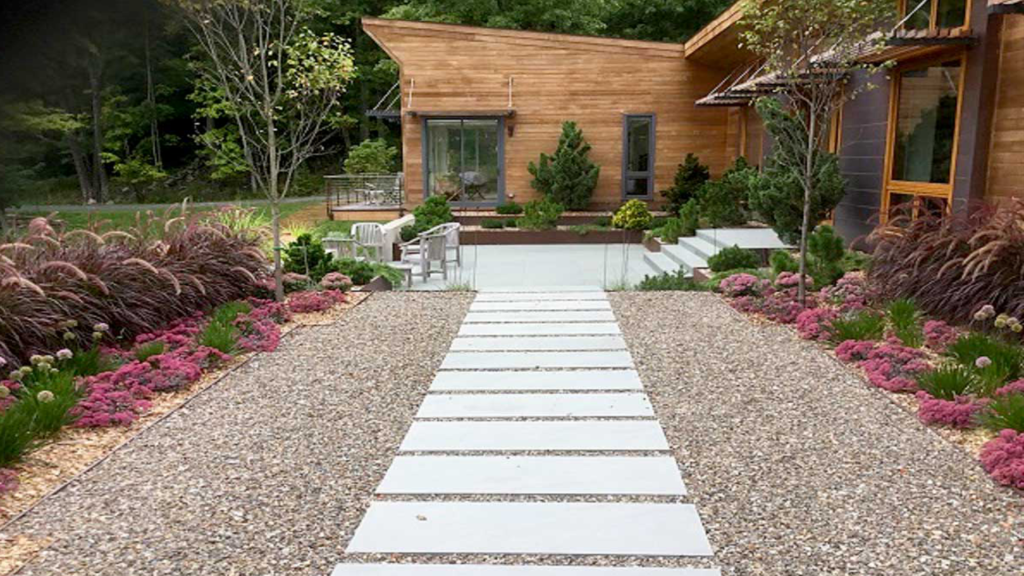
Choose Plants for the Site, Not Just the Nursery Display
A plant can be attractive at the nursery and still be wrong for a particular yard. Sun exposure, mature size, soil, irrigation zone, drainage, wind, roots, pets, and proximity to buildings all affect whether it is a sensible choice.
California native and climate-appropriate plants can be useful parts of a water-conscious design, but “drought tolerant” does not mean “never needs water.” New plants generally need consistent establishment care, and different species have different requirements.
Irvine Ranch Water District’s Right Plant, Right Place guidance explains why plants adapted to seasonal rainfall patterns may require less supplemental irrigation than plants from temperate climates. IRWD also provides a demonstration garden plant list with native and drought-tolerant options suited to the local semiarid climate.
Group plants with similar water needs rather than placing thirsty and low-water plants on the same irrigation zone. Check emitters for leaks, overspray, and poor coverage. Mulch may help reduce evaporation and moderate soil temperatures when it is suitable for the location and kept appropriately away from structures and plant crowns.
Water efficiency is not a minor issue in California landscape planning. The California Department of Water Resources reports that about 40% of household water use occurs outdoors and recommends climate-adapted plants, improved soil, efficient irrigation, and schedules matched to plant needs. Its Model Water Efficient Landscape Ordinance information is also worth reviewing for larger new or rehabilitated landscape projects that may fall under local requirements.
If you are considering removing lawn, review the current IRWD Turf Replacement Program before starting. Eligibility, funding, and project requirements can change, and IRWD instructs applicants to receive authorization before beginning covered work. The current program also states that artificial turf is not eligible for that rebate.
Check HOA Rules, Permits, and Underground Utilities First
Many Irvine homes are located within homeowners associations. Architectural approval may be needed even when a City building permit is not. Review the current governing documents and submit required plans before committing to a contractor or nonreturnable materials.
City requirements depend on the scope and conditions of the project. The City of Irvine permit portal lists some minor residential projects that may not require permits. For example, it identifies certain retaining walls under four feet as exempt unless they support a surcharge.
That summary should not be treated as approval for a specific project. Work may still be subject to building, zoning, and other requirements, and retaining-wall height is not the only deciding factor.
Projects involving electrical service, gas, plumbing, structural loads, or substantial grading deserve professional review. Before excavation, follow current California utility-marking requirements. DigAlert provides information for homeowners and contractors and allows eligible users to request a utility-location ticket by calling 811 or using its online service.
These checks are not paperwork to leave until the end. They can influence the location, dimensions, materials, and cost of the entire design.
What Outdoor Improvements Usually Deserve Priority?
When a yard needs several improvements, begin with condition and usability rather than decoration. A practical order is:
- Investigate drainage, unstable surfaces, damaged walls, failing irrigation, and unhealthy trees with the appropriate qualified professional.
- Repair or clean existing features that are worth keeping.
- Clarify pathways and define how each area will be used.
- Add or adjust planting for shade, privacy, scale, and seasonal interest.
- Finish with lighting, furniture, containers, and smaller decorative details
This order helps prevent a common mistake: spending money on finishes before understanding the conditions underneath them. New plants cannot solve a poorly directed irrigation system, and expensive pavers cannot correct an unsuitable base or unresolved drainage problem.
For smaller-scale color and flexibility, movable containers may be easier to adjust than permanent construction. See Decorative Planter Box Ideas for the Home for ways planters can define entries, patios, and other outdoor areas without rebuilding the entire yard.
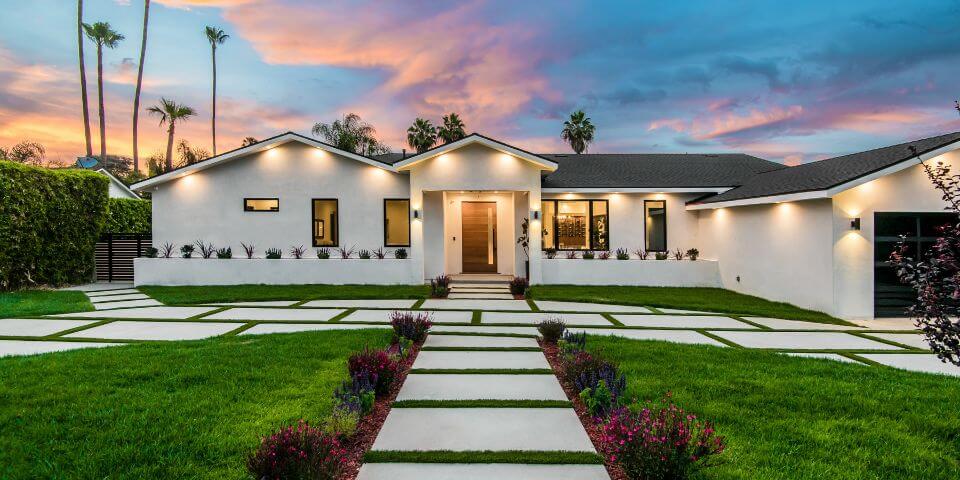
Landscape, Hardscape, and Buyer Perception
Outdoor improvements should not be described as a guaranteed path to a particular sale price. Cost recovery depends on the property, neighborhood, workmanship, design, condition, timing, and buyer preferences. The more dependable objective is to make the exterior feel intentional, functional, and cared for.
Before selling, homeowners may get more benefit from correcting visible neglect and improving clarity than from launching an elaborate last-minute installation. Trim overgrowth, replace dead material, clean hardscape, check irrigation, address obvious damage, and make the entry easy to find. Buyers should be able to understand where they would sit, dine, play, or relax without needing a long explanation.
Photography and video also reveal details that may be less obvious during a quick walk-through. Clutter, empty corners, mismatched materials, and harsh lighting can become more noticeable on screen. Thoughtful preparation, professional presentation, and clear buyer-focused marketing can help the outdoor space read as part of the home rather than as leftover space around it.
If you are preparing to sell an Irvine or Orange County home, I can help you look at the property through a buyer’s eyes and discuss which outdoor details may be worth addressing before it goes on the market.
A Better Outdoor Space Starts With a Coordinated Plan
Landscape adds life, shade, privacy, and seasonal change. Hardscape adds access, definition, and usable space. The strongest outdoor designs do not let either side overwhelm the other.
Start with the way you want to live. Then account for water, maintenance, drainage, heat, mature plant size, approvals, and future flexibility. A coordinated plan may help you avoid disconnected projects and create an outdoor area that feels like a natural extension of the home.
Tony Babarino
Irvine Real Estate Broker with REAL Broker
Serving Irvine, Newport Beach, and surrounding Orange County communities
California DRE#01717758
TonyBabarino.com
Call/Text: (949) 633-6741

As your local real estate agent in Irvine, Newport Beach, and of Orange County, I specialize in using digital and modern marketing strategies to showcase homes as a listing agent to my sellers. I put in the work to create engaging content, promote listings with strategic social media campaigns, and ensure properties get the exposure they deserve.
Hiring me means choosing a dedicated representation that can give your home a powerful online presence, attracting serious buyers and working toward securing the best possible offers!
Let’s talk about what we can do together.
For you.
For your family.
Disclaimer: This article provides general homeowner and real estate education only. It is not landscape-design, architectural, engineering, construction, legal, HOA, building-code, or other professional advice. Project requirements and suitability depend on the property, scope, governing documents, jurisdiction, and current rules. Consult the appropriate HOA, governmental authority, and qualified licensed professionals before designing, approving, or performing work. If your property is currently listed or you are represented by another real estate broker, this is not intended as a solicitation.
Want more Irvine real estate insights, helpful homeowner tips, and original videos in your Google experience? Add TonyBabarino.com as a Preferred Source.